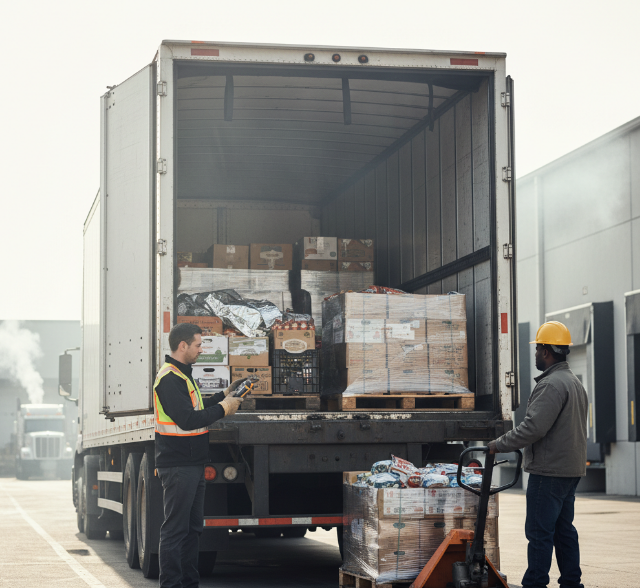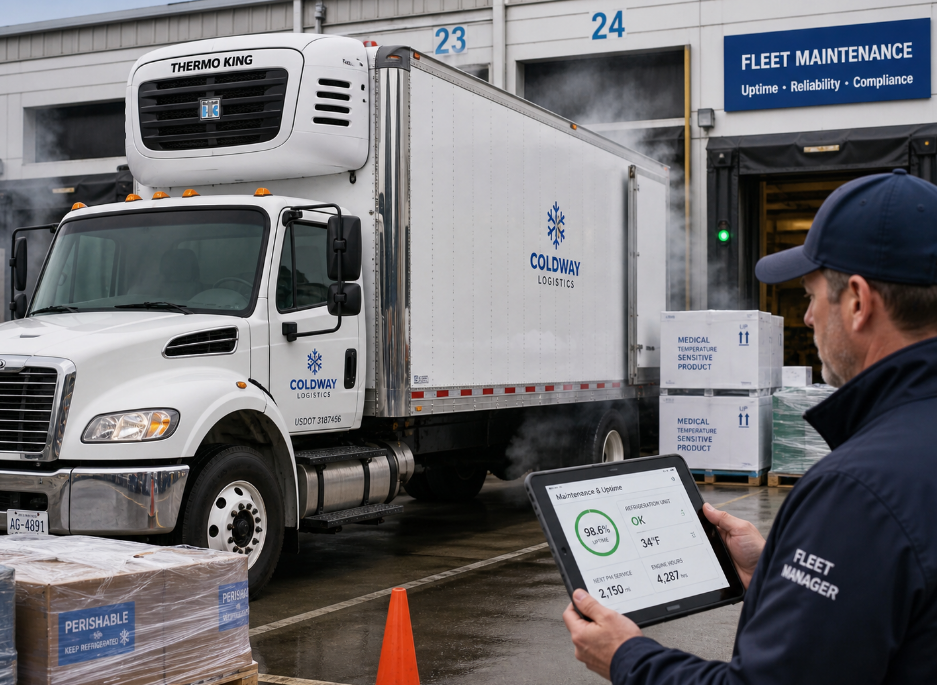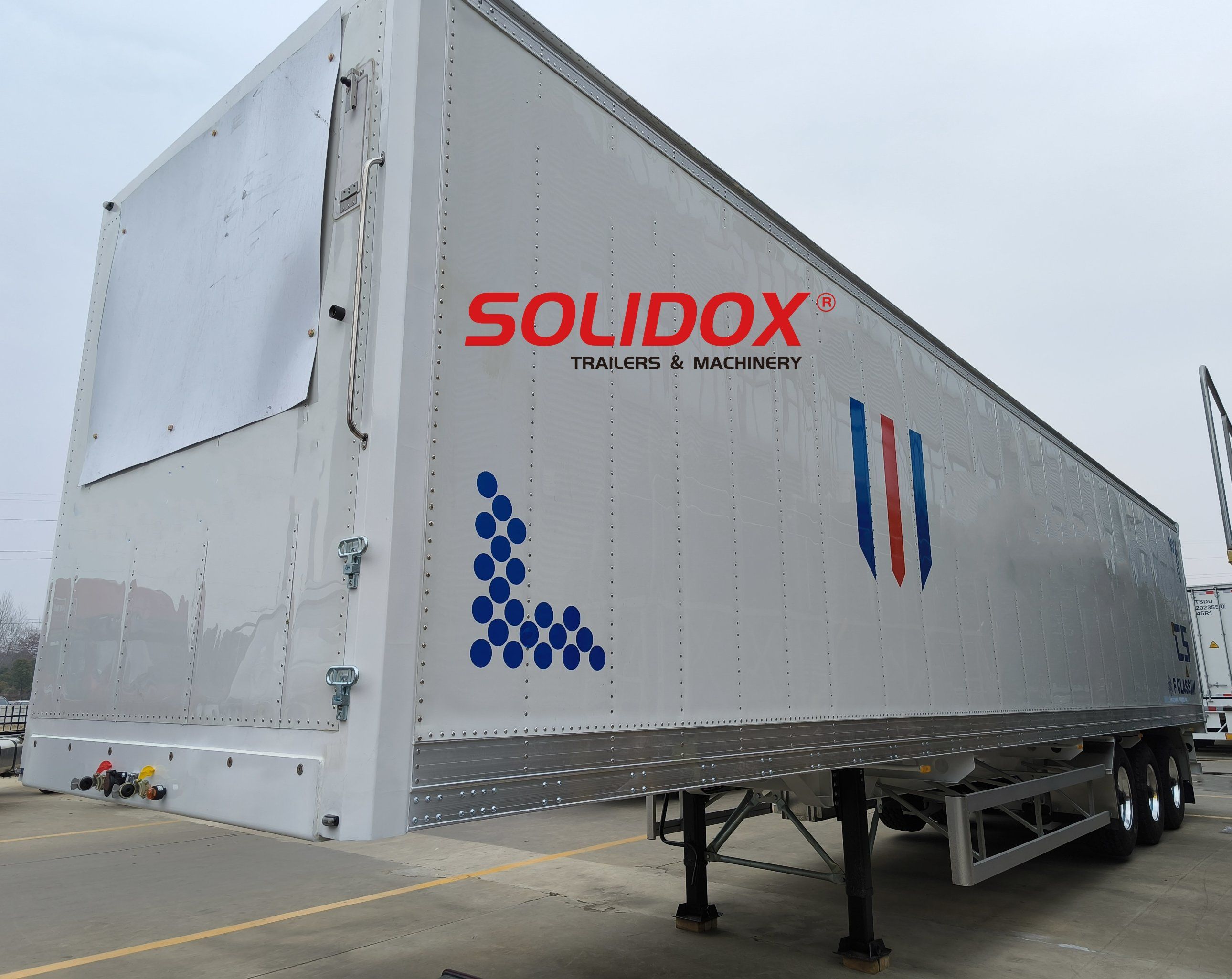
2026 authoritative overview of factory-built cold chain vehicles for international markets, explaining how Refrigerated Truck Systems integrates insulated body design, refrigeration unit sizing, airflow and loading SOPs, and calibrated monitoring to prevent temperature excursions. Learn what to require for export-ready builds, including pull-down and door-recovery commissioning tests, audit-ready traceability reports, and documentation that speeds customs clearance and supports reliable service in your destination market.
If you’re supplying food, pharmaceuticals, or temperature-sensitive chemicals across borders, a refrigerated truck is either your strongest quality guarantee or your biggest liability. International buyers regularly run into the same pain points: temperature excursions that can’t be explained, insulated bodies that look great but leak heat, refrigeration units that are underpowered for multi-drop routes, and export paperwork gaps that delay commissioning.
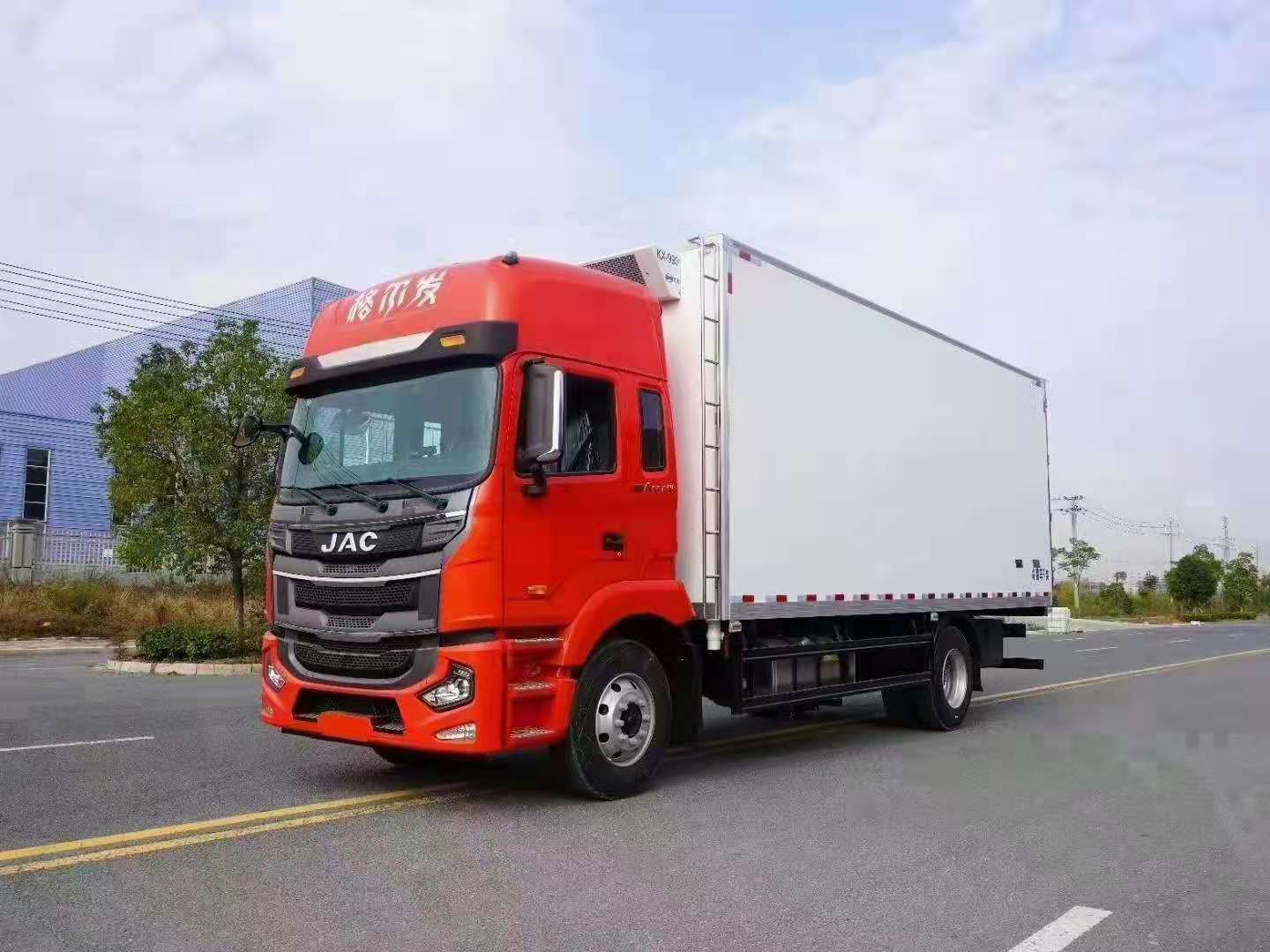
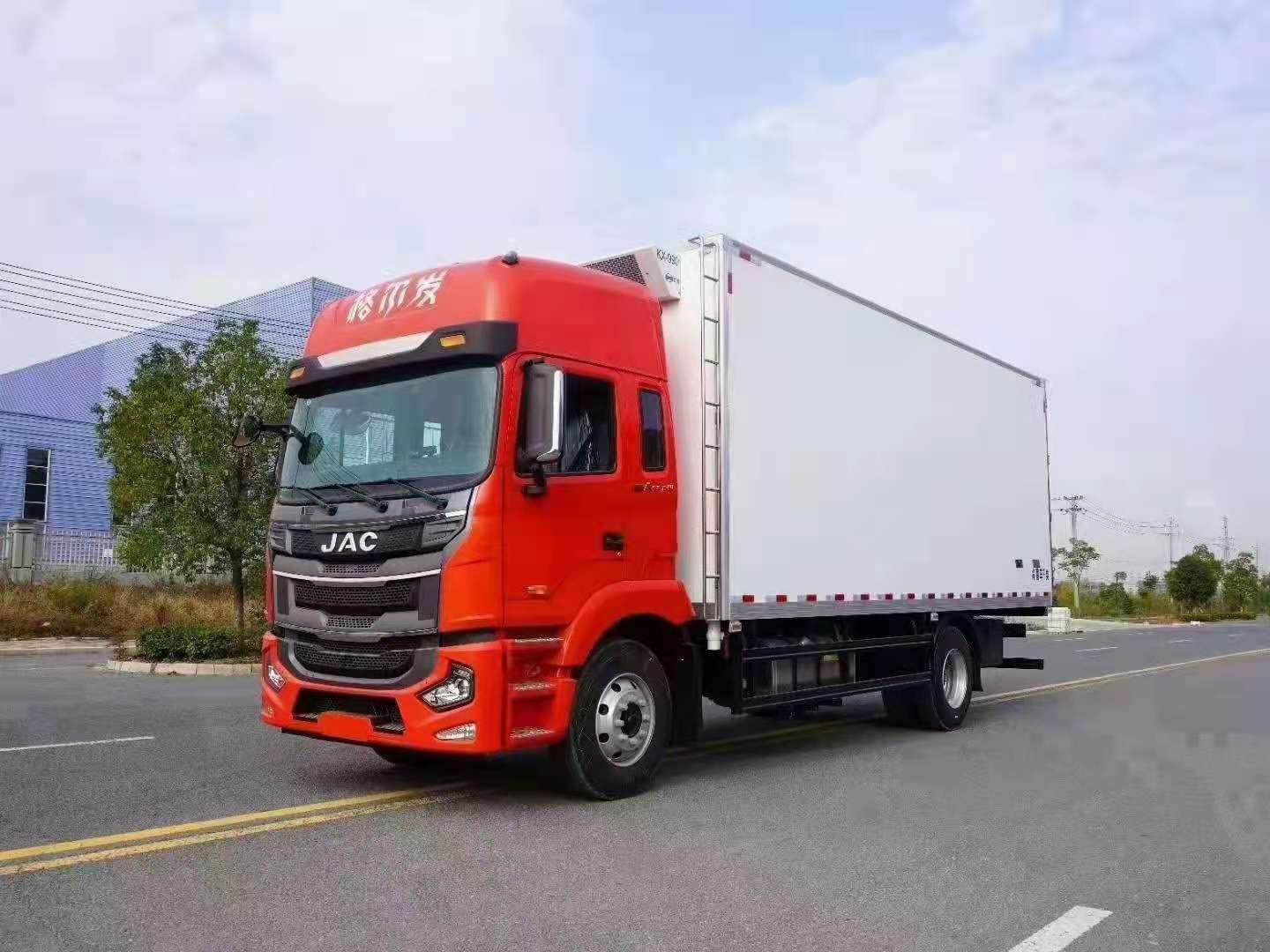
Refrigerated Truck Systems is designed to solve the cold chain as a whole, not as a single piece of equipment. We approach factory-built cold chain vehicles with a systems mindset: insulated box engineering, refrigeration capacity, airflow, monitoring and traceability, and a support plan that works in the destination market.
Refrigerated Truck Systems means the integrated components and operating practices that keep cargo within spec: the insulated body, refrigeration unit, doors and seals, airflow control, calibrated sensors, data logging, commissioning tests, and training. When these elements are engineered and managed together, you get predictable temperature control, faster audits, and lower total operating cost.
Table of Contents
Why refrigerated trucks fail without a systems approach
Most “refrigeration problems” aren’t caused by a bad refrigeration unit. They’re caused by a mismatch between the insulated body performance, the duty cycle, and how operators actually load and open doors. International markets make these gaps worse because service networks, spare parts, and training standards vary widely.
The cold chain failure modes I see most often
Heat gain is underestimated: thin insulation, thermal bridges, leaky doors, or poor floor protection
Duty cycle is misread: multi-drop routes with long door-open time are treated like linehaul
Sensors are placed for convenience: readings look good near the evaporator while cargo warms at the door
Airflow is blocked: pallets pushed against walls or stuffed under the evaporator choke circulation
Documentation is incomplete: you can’t defend temperature compliance or troubleshoot consistently
“If you only buy a refrigeration unit, you’re not buying a cold chain. You’re buying one component of a system that still needs insulation, airflow, and proof.”
Pro Tip: Add two tests to every acceptance checklist: pull-down performance and door-opening recovery. If your supplier won’t commit to those metrics, the spec is incomplete.
International cold chain use cases and temperature targets
The right spec starts with the product risk profile, not the vehicle size. A chilled food route and a frozen multi-drop route can use the same box volume, but they need very different insulation, doors, defrost strategy, and monitoring rules.
Common international cargo categories
Chilled foods: meat, dairy, ready-to-eat products, fresh meals
Frozen foods: ice cream, frozen proteins, frozen prepared foods
Fresh produce: temperature stability plus operational humidity management
Pharmaceuticals: traceability, alarms, excursion handling, calibration discipline
Specialty chemicals: stability requirements, spill containment, and documentation needs
Spec inputs you should collect before requesting quotes
Target temperature range and allowable excursion rules per product
Peak ambient temperature and humidity in the hottest season
Route pattern: multi-drop or linehaul, stop frequency, average door-open time
Loading practice: pre-chilled product or pull-down expected
Mixed-temperature needs: multi-compartment zones or bulkheads
According to a 2024 Global Cold Chain Alliance report focused on temperature control performance, a large share of cold chain deviations are linked to operational handling, especially door management and loading practices. That’s why the vehicle spec must include training and monitoring, not only hardware.
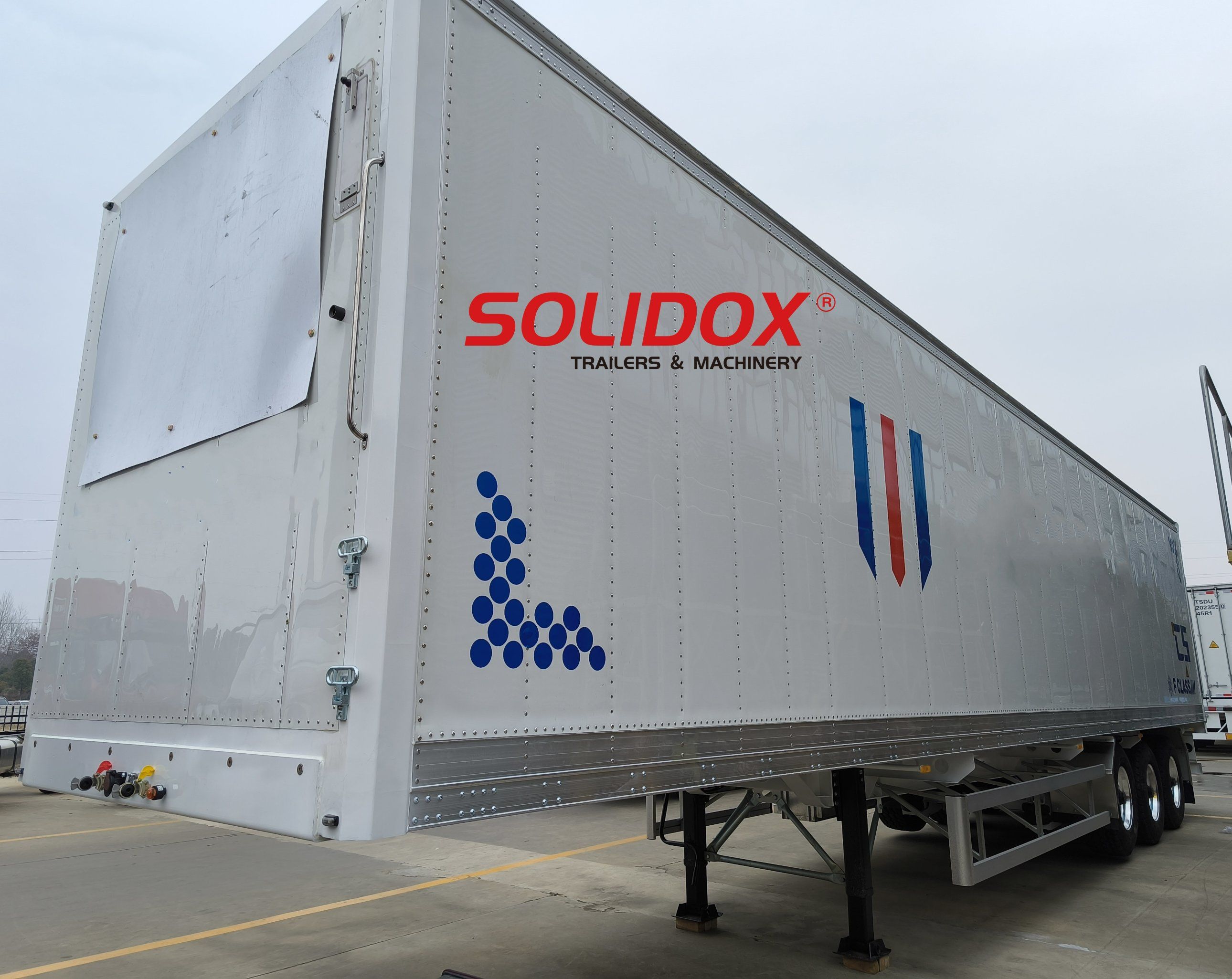
Insulated body design that holds temperature in real life
The insulated body is the single biggest determinant of energy use and temperature stability. A high-capacity unit can mask weak insulation at first, but it will burn fuel, short-cycle, and still struggle during door openings. For international buyers, the challenge is verifying build quality before the truck ships.
Body engineering details that separate reliable builds from risky ones
Insulation foam density and uniformity: inconsistent density creates hot spots and condensation paths
Joint design and sealing process: joints are where air and moisture enter; sealing must be repeatable
Thermal bridge control: reinforcements and fasteners should minimize conductive heat leakage
Floor protection: water ingress and floor damage are long-term killers of insulation performance
Door and gasket design: gasket compression, alignment, and latch durability affect heat gain every stop
Inspection questions I use with suppliers
What is your foam process control method and how do you verify density consistency?
How do you seal joints, and what is your rework standard if a seal fails inspection?
What’s your door gasket material, and how do you validate gasket compression after installation?
How do you prevent corrosion at fasteners and floor edges in humid markets?
When buyers can’t answer these questions, they usually end up comparing paint quality and brochures instead of performance.
Refrigeration unit sizing for multi-drop and long-haul
Unit sizing is not just a “bigger is safer” decision. Oversized systems can short-cycle and waste fuel; undersized systems can fail during peak ambient heat, heavy traffic idling, and long door openings. The right spec is driven by your worst realistic day.
Inputs that should drive unit selection
Box dimensions and expected insulation performance
Target temperature and pull-down expectations
Peak ambient temperature and solar exposure
Multi-drop door-open duration and frequency
Defrost strategy needs in humid climates
Power strategy: direct drive, diesel standby, electric standby, or hybrid
What to clarify about pull-down
A refrigerated truck is designed to maintain product temperature, not to chill warm product like a blast freezer. If your operation routinely loads product that is above target temperature, you must either change the process or explicitly spec pull-down requirements and accept higher energy use.
According to a 2023 International Institute of Refrigeration technical overview on refrigerated transport, airflow and loading practices significantly influence temperature uniformity and system performance. That aligns with what I see on real routes: the unit can be fine, but the way air moves inside the box determines whether the cargo stays safe.
Pro Tip: For multi-drop distribution, require both supply-air and return-air sensors during commissioning. A single “box temperature” reading can hide dangerous swings near the door.
Airflow and loading rules that prevent hot spots
Even with perfect insulation and adequate refrigeration capacity, you can still fail on the last mile if airflow is blocked. This is where systems thinking becomes operational discipline.
Airflow rules that should be written into SOPs
Maintain a clear return-air path back to the evaporator
Leave spacing around walls and ceiling to support circulation
Do not stack cargo into the evaporator discharge stream
Use air chutes or ducting when box geometry demands it
Stage multi-drop cargo to reduce door-open time
Door discipline that actually works
Use a “door open” target time per stop and train to it
Pre-pick delivery items to avoid searching inside the box
Use strip curtains or secondary barriers when stop density is high
“A cold chain truck doesn’t fail at cruising speed. It fails at the door, on the curb, during chaos. That’s where your spec and training must focus.”
Monitoring, traceability, and audit-ready documentation
International cold chain markets increasingly demand proof. Whether it’s food retail, public sector tenders, or pharma distribution, temperature data is now part of commercial credibility. Monitoring also protects your own operations by making root-cause analysis possible.
Minimum monitoring capability I recommend in 2026
Calibrated sensors with documented calibration intervals
Onboard data logging that survives connectivity outages
Real-time alerts for high temperature, door-open events, and unit faults
Exportable reports by trip, route, and customer
Event notes to document corrective actions during excursions
Practical documentation that makes audits easier
Commissioning report with pull-down and recovery test results
Sensor placement diagram and calibration certificates
Operator SOPs for loading, door discipline, and alarm response
Maintenance plan for refrigeration unit and insulated body inspections
Risks, limitations, and how to write better specs
Factory-built cold chain vehicles can deliver excellent value in international markets, but they come with trade-offs. Your spec and contract should address them directly.
Common risks and how to reduce them
Insulation performance uncertainty: require documented build processes and acceptance testing
Service network gaps: ship with a spare parts kit and identify local refrigeration service partners
Refrigerant and regulatory differences: confirm what refrigerant is used and if it’s supported locally
Operator-driven excursions: require training deliverables and enforce SOPs with monitoring data
Contract language buyers often forget
Define temperature performance expectations and test methods at acceptance
Specify which documents are required for final payment release
Clarify warranty response process for international claims and who pays shipping
According to the World Bank’s 2024 research on trade logistics, documentation predictability is a key factor in shipment reliability. For refrigerated trucks, late arrival means delayed commissioning and a higher chance of rushed deployment without proper training.
Comparison table for five common international scenarios
| International scenario | Recommended Refrigerated Truck Systems setup | Top spec priorities | Most common mistake |
|---|---|---|---|
| Urban multi-drop chilled deliveries | High-recovery unit, strip curtains, door sensors, route reports | Recovery speed, door discipline, sensor placement | Sizing for linehaul and ignoring door-open time |
| Frozen retail distribution | Thicker insulation, robust gaskets, defrost strategy, dual sensors | Heat gain control, gasket durability, defrost reliability | Under-spec insulation and overwork the unit |
| Pharma routes with audits | Calibrated monitoring, alarms, data logging, excursion SOPs | Traceability, calibration discipline, documentation completeness | Treating monitoring as optional and failing audits |
| Long-haul pre-chilled produce | Balanced capacity, condensation control features, hygienic finish | Stable temp, cleanability, floor water protection | Loading above target temperature and expecting pull-down |
| Mixed chilled and frozen on one route | Multi-compartment zones, bulkheads, zone monitoring, airflow control | Zone separation, sensor strategy, loading plan | No separation plan, causing hot spots and cross-contamination risk |
Case studies from my international export projects
These are the kinds of real-world issues that determine whether a refrigerated fleet earns trust or generates claims. I’m sharing them because the fixes are replicable.
Case study: Fixing “perfect averages” that hid unsafe cargo temperatures
I worked with a distributor who insisted their cold chain was compliant because the truck’s displayed temperature looked stable. Yet customers reported warm product at the end of the route.
Using Refrigerated Truck Systems, I audited sensor placement and found the probe near the evaporator outlet. It read cold air, not cargo risk. We added a door-side sensor at product height, implemented door-open alerts, and adjusted loading to protect the return-air path. The “average temperature” looked slightly worse after the change, but the real cargo risk dropped because we were finally measuring the right location.
Case study: Preventing a procurement error by modeling the worst realistic day
On another international purchase, the buyer chose a lower-capacity unit to reduce initial cost and planned to deploy in a hot, humid region with dense urban stops. Their written requirement assumed short door openings, but their real operation involved frequent delays and long unloading windows.
I pushed for a revised spec based on the worst realistic day: peak ambient heat, traffic idling, long door-open events, and a requirement to protect temperature even when drivers were under pressure. We paired that with a commissioning plan that measured door-opening recovery and created operator SOPs. The truck cost slightly more upfront, but it prevented the first-season failures that often damage customer relationships beyond repair.
Procurement and commissioning workflow
International markets reward disciplined procurement. The goal is not just to receive the truck, but to commission it into a defensible cold chain program.
Workflow I recommend for Refrigerated Truck Systems buyers
Define product requirements: target range, excursion rules, and reporting expectations
Document route reality: stops per route, door-open time, idle time, peak ambient temperature
Specify insulated body performance priorities and hygiene needs
Size the refrigeration unit to the worst realistic duty cycle
Define sensor placement and monitoring deliverables
Lock documentation requirements for export and acceptance
Inspect body sealing, doors, and floor protection before shipment
Commission with pull-down and recovery testing and save reports
Train drivers and loaders and validate behavior with monitoring data
RFQ details that speed up quoting and reduce misbuilds
Destination market, voltage needs for standby power, and local service constraints
Product types and target temperature ranges
Delivery pattern, stop density, and average door-open time
Whether you need multi-temp zones
Monitoring and reporting requirements for customers or regulators
Conclusion
Factory-built cold chain vehicles can compete strongly in international markets in 2026, but only when you treat the vehicle as a complete system: insulation, refrigeration, airflow, monitoring, documentation, and training. Refrigerated Truck Systems focuses on measurable performance and traceability so your cold chain holds up under peak heat, multi-drop chaos, and audit scrutiny.
Next steps recommended by Refrigerated Truck Systems:
Send your route and product profile so we can size insulation and refrigeration to your worst realistic day.
Request an acceptance test plan that includes pull-down and door-opening recovery results you can use for audits and claims defense.
Deploy SOPs with monitoring to enforce loading airflow rules, door discipline, and excursion response.
References
Global Cold Chain Alliance (2024): Used for guidance on operational drivers of temperature deviations and the importance of handling practices.
International Institute of Refrigeration (2023): Used to support best practices on airflow, loading, and temperature uniformity in refrigerated transport.
World Bank (2024): Used to support the impact of documentation predictability on cross-border delivery reliability.
FAQ
What are Refrigerated Truck Systems for international markets?
Refrigerated Truck Systems is a complete cold chain vehicle approach that integrates the insulated body, refrigeration unit, airflow strategy, calibrated monitoring, data logging, commissioning tests, export documentation, and operator SOPs so international fleets can maintain temperature and prove compliance.
How should I size a refrigeration unit for multi-drop routes?
Size to the worst realistic day: peak ambient heat, traffic idling, door-open time, and the expected product temperature at loading. Then validate with commissioning tests that measure pull-down and door-opening recovery, not just steady-state temperature.
Where should temperature sensors be placed inside the box?
Place sensors where cargo risk is highest, not where wiring is easiest. That usually includes a door-side sensor at product height and, for higher-control programs, both supply-air and return-air sensors to reveal swings that average box readings can hide.
How do Refrigerated Truck Systems reduce temperature excursions?
By combining strong insulation and sealing, correct unit sizing for real duty cycles, airflow-focused loading rules, door discipline SOPs, and monitoring that triggers alerts and captures evidence. It turns cold chain performance into measurable control rather than guesswork.
What documents should be included when exporting cold chain vehicles?
You should receive shipping documents plus technical deliverables: insulated body drawings and materials specs, refrigeration unit manuals and wiring diagrams, commissioning reports with pull-down and recovery testing, sensor placement and calibration records, SOPs, and a spare parts list for the destination market.
When do I need multi-temperature compartments?
You need multi-temperature capability when you deliver chilled and frozen products on the same route or when customers require strict separation. The spec should include physical zone control, airflow management, and monitoring for each compartment, not only a bulkhead.
What does a good commissioning report include?
It should document sensor calibration status, unit settings, pull-down results, door-opening recovery behavior, alarm tests, and any rework notes. This report becomes your baseline for troubleshooting and for defending performance during customer disputes.