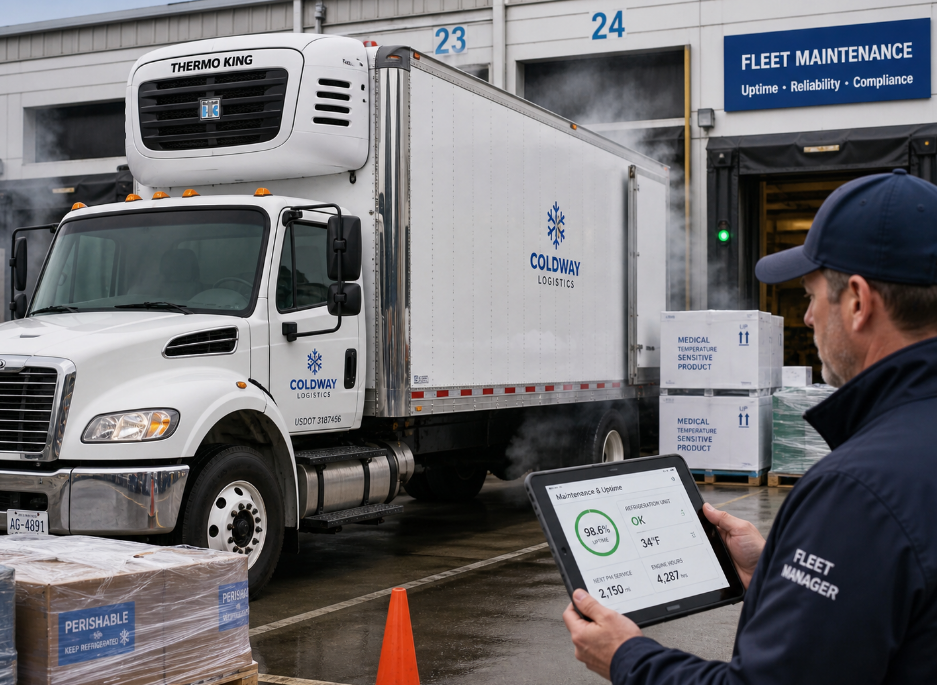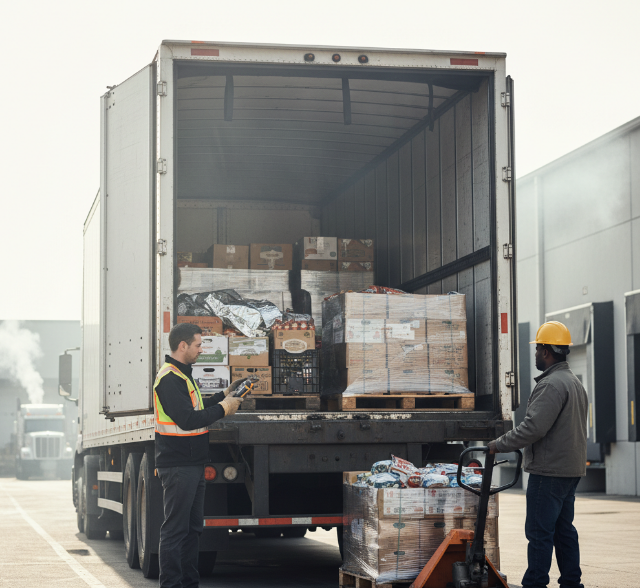
When diesel fumes eat profits and ice boxes fight physics, a refrigerated truck built smart keeps cargo cold and your margins hot.
A refrigerated truck doesn’t need to idle nonstop to protect its cargo, and every hour burning diesel cuts into profit.
Fuel prices climb, maintenance piles up, and spoiled loads wipe out week’s gains. Fleets ask if insulation and controls can hold temperature at stops.
In 2025 technical brief, Reefertruckpro engineers state optimized insulation and smart refrigeration controls reduce idle dependence without compromising cargo safety.
Key Points for Refrigerated Truck Efficiency
Fuel Burn
Continuous idling powers the compressor but wastes diesel, reducing overall fleet profitability.
Component Wear
Prolonged engine run-time accelerates compressor, valve, and belt deterioration, inflating maintenance budgets.
Regulatory Risks
Excess emissions and noise from idling can breach environmental compliance and incur fines.
Smart Controls
Enhanced insulation, calibrated sensors, and telematics-driven route planning cut idle time while maintaining cargo temperature.
Stop Or Go? The True Cost Of Idle Refrigerated Trucks
A parked refrigerated truck with the engine humming might look harmless. It’s not. Idle time quietly drains cash, strains parts, and chips away at compliance margins. From diesel burn to maintenance creep, every reefer truck sitting still with the motor running adds hidden weight to your budget.

Fuel burn: how continuous engine idle spikes fuel consumption
When a refrigerated truck stays in engine idling mode to power the cooling system, the cost stacks up fast.
Fuel consumption
Continuous burn of diesel fuel without added miles
Lower overall fuel efficiency during extended engine operation
Rising operating expenses tied directly to idle hours
Exhaust impact
Increased exhaust emissions during standstill
Higher visible and measurable output per delivery cycle
In daily fleet routines:
Driver parks the truck refrigerated for loading.
Engine keeps running to maintain cargo temperature.
Fuel gauge drops, but distance stays the same.
That gap—fuel spent without freight moved—is pure overhead. A cold truck isn’t free to run just because it’s not rolling.
Compressor wear when idling impacts long-term maintenance costs
Idle operation affects more than fuel. Inside the refrigeration unit, parts keep moving.
Compressor wear
Continuous cycling increases component degradation
Shortens equipment lifespan
System reliability
Added strain reduces overall system reliability
More frequent service stops raise maintenance expenses
Nested cost effect:
Mechanical layer
Compressor stress
Valve fatigue
Financial layer
Higher repair costs
Tighter maintenance intervals
A reefer truck that idles daily may look fine now, but long-term idle operation quietly eats into profit through parts and downtime.
Environmental compliance and noise regulations penalties
Extended idle time pushes risk into the legal zone.
Environmental regulations
Tougher emissions standards in urban delivery zones
Stricter legal requirements tied to air quality
Noise pollution
Engine rumble triggering local complaints
Exposure to compliance penalties and regulatory fines
Stacked impact:
Environmental
Higher carbon emissions
Financial
Direct fines
Indirect brand damage
One non-compliant refrigerated truck can cost more than a month of fuel savings.
Cutting idle expenses with telematics and route optimization
Smart control changes the game.
Telematics technology
Real-time GPS tracking
Clear idle-time reports
Fleet management
Data-driven route optimization
Improved operational efficiency
Layered approach:
Monitor driver behavior with driver monitoring tools.
Adjust dispatch plans to cut waiting time.
Track measurable fuel savings week by week.
Platforms like Reefertruckpro help fleets see exactly where each refrigerated truck loses money during idle time. With better data and tighter planning, a reefer truck works smarter, not louder. Even Reefertruckpro users often say the biggest win isn’t speed—it’s stopping waste before it starts.
3 Reasons Truckers Keep Engines Running
A refrigerated truck isn’t just a truck with a cold box. It’s a rolling cooling system that protects food, medicine, and high-value freight. When you see a truck driver keeping the engine on, it’s not laziness. It’s about temperature, cargo safety, and keeping that refrigeration unit ready to work.
Maintaining temperature uniformity with active evaporator cycles
In a working refrigerated truck, stable temperature depends on continuous evaporator and condenser activity. Once the engine runs, the cooling loop stays alive.
Cooling circulation fundamentals
1.1 Evaporator keeps the cycle active
1.2 Condenser releases heat outside the truck refrigerated body
Heat exits through controlled airflow.
Pressure stays balanced for steady cooling output.
Liquid refrigerant absorbs heat.
Fan systems push treated air across the cargo bay.
Constant air circulation prevents warm pockets.
Uniformity control inside the refrigerated cargo space
2.1 Ceiling-to-floor airflow mapping
2.2 Rear-door temperature stabilization
2.3 Pallet gap management for airflow continuity
Below is a reference operating range for common refrigerated truck cargo:
| Cargo Type | Target Temp (°C) | Acceptable Variance (°C) | Humidity % | Airflow Rate (m³/min) |
|---|---|---|---|---|
| Fresh Produce | 0 to 4 | ±1 | 85–95 | 60–90 |
| Frozen Meat | -18 | ±2 | 70–80 | 50–70 |
| Dairy Products | 1 to 3 | ±1 | 80–90 | 55–75 |
| Seafood | -1 to 2 | ±1 | 85–95 | 65–85 |
| Pharmaceuticals | 2 to 8 | ±0.5 | 60–70 | 40–60 |
If the engine stops, the cycle slows. Temperature drift starts quietly. For operators using Reefertruckpro systems, continuous runtime keeps airflow steady and inspection-ready.
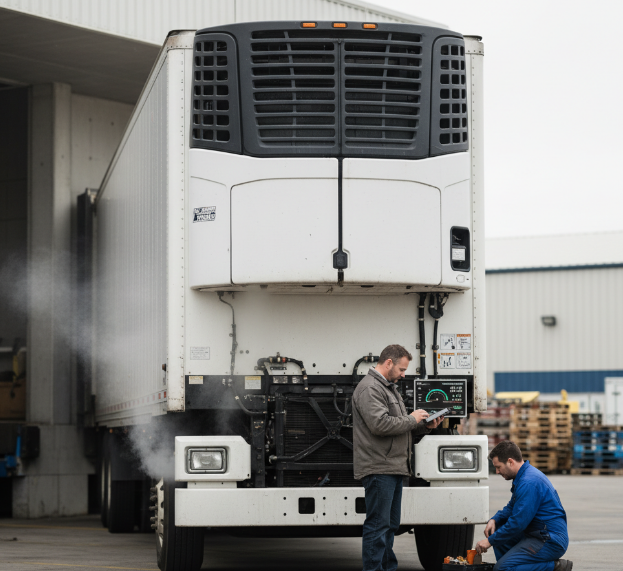
Preventing moisture buildup through constant thermostat control
Moisture sneaks in fast inside a truck refrigerated box.
Warm air enters during loading.
Humidity rises.
Condensation forms on insulation panels.
Continuous thermostat and control unit activity keeps things tight. When the engine runs, the control system tracks temperature swings in real time. If humidity spikes, automatic defrost cycles kick in. That keeps air flow balanced and prevents water droplets from forming behind wall panels.
Short stops without power? That’s when mold risk climbs. A reefer truck depends on stable internal air pressure. Constant circulation dries surfaces before condensation spreads.
Drivers running Reefertruckpro setups often leave engines idling during loading windows. It’s not about comfort. It’s about protecting cargo and the truck’s insulation core long term.
Ensuring instant refrigeration startup for time-sensitive loads
High-value cargo doesn’t wait.
Startup readiness in a refrigerated truck
1.1 Compressor primed and pressurized
1.2 Refrigerant lines already stabilized
1.3 Internal temperature pre-aligned with shipment needs
Time-sensitive cargo protection
2.1 Pre-cooling before dock arrival
2.2 Customs or traffic delays
Engine-powered refrigeration avoids restart lag.
Startup time drops to near zero.
Cargo enters a stable climate.
No rapid heat exchange shock.
Operational advantage
Reduced temperature spikes
Lower fuel waste from repeated restarts
Better compliance logs for cold-chain audits
A refrigerated truck that stays running keeps the engine and cooling system synced. For frozen or medical loads, even a 10-minute delay can push temps outside safe limits. Smart operators treat uptime like insurance. And brands like Reefertruckpro build systems designed for that nonstop rhythm.
Avoid Cargo Spoilage—Maintain Consistent Temps
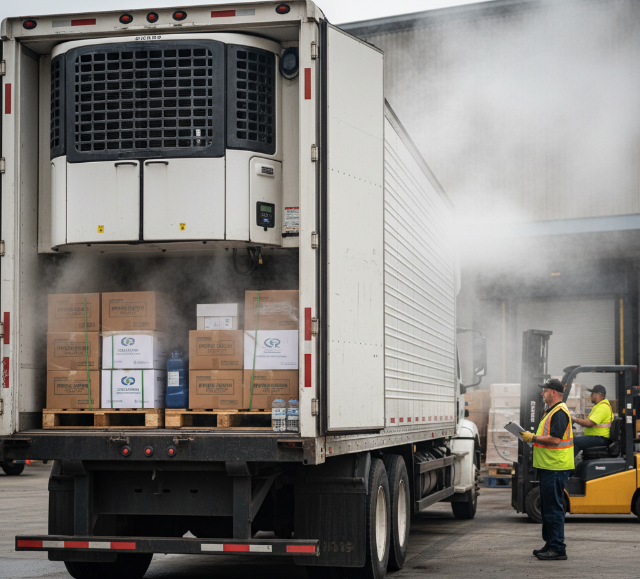
Keeping a refrigerated truck steady on temperature isn’t just about cold air—it’s about control, timing, and smart upgrades. When a refrigerated truck runs day after day, small issues stack up fast. Let’s tighten things up and keep every truck refrigerated load safe.
Upgrading insulation panels and composite body materials
A refrigerated truck works as hard as its insulation allows. If the panels or composite materials break down, thermal drift creeps in.
Core structure improvements
Aluminum bracing supports structural integrity
Better resistance to road vibration
High-density foam increases thermal efficiency
Reduces compressor cycling inside the truck refrigerated cargo bay
Insulation upgrades
Reinforced body panels
Seal and joint protection
Advanced sealants improve materials bonding
Door-frame compression seals minimize cold air escape
Performance outcome
Lower energy draw
More stable cargo temps
Longer lifespan for every refrigerated vehicle
Reefertruckpro designs each refrigerated truck body with tighter composite layering, helping fleets avoid those annoying mid-route temp swings.
Calibration of temperature sensors and control units
Inside a refrigerated truck, temperature sensors and control units are the brains.
Sensor accuracy management
±0.5°C tolerance for food-grade transport
Verify probe placement
Cross-check data logging
Scheduled calibration
Accuracy benchmarks
Control response tuning
Adjust monitoring units for load type
Sync defrost cycles with ambient conditions
Compliance tracking
Maintain digital calibration records
Support audits for truck refrigerated operations
A reefer truck without calibrated sensors is basically guessing. Reefertruckpro integrates precision monitoring systems so every refrigerated truck keeps temps dialed in.
Scheduled leak detection and performance testing
Cold air loss kills performance. Regular leak detection protects seal integrity.
Inspection schedule
Monthly gasket checks
Quarterly refrigerant pressure review
Annual full testing cycle
Critical checkpoints
Door seals
Evaporator airflow
Line connections
System validation
Measure pull-down time
Confirm consistent return-air temperature
For any refrigerated vehicle, small leaks turn into spoiled freight. Catching them early keeps the refrigerated truck profitable.
Leveraging fleet management software for real-time monitoring
A modern refrigerated truck should talk back.
Hardware layer
IoT monitoring sensors
GPS tracking modules
Software layer
Real-time temp alerts
Route-linked data analytics
Fleet management software dashboard
Historical performance logs
Operational control
Instant deviation alerts
Predictive maintenance flags
Centralized compliance reporting
When reefer truck data flows live, operators stay ahead of trouble. Reefertruckpro connects every refrigerated truck in your fleet, turning raw temperature data into smart decisions that protect cargo and your bottom line.
FAQ
How does engine idling increase the operating cost of a refrigerated truck?
When a refrigerated truck sits with the engine running, costs quietly climb.
Fuel drain – Continuous burn from the fuel tank with zero mileage return.
System strain – The compressor, condenser, and expansion valve cycle longer, shortening service life.
Regulatory risk – Excess exhaust from the exhaust system may breach emissions standards and noise regulations.
Add telematics + GPS tracking + route optimization, and idle hours drop. Lower idle time means fewer repairs, calmer drivers, and cleaner compliance records.
Why do drivers keep a refrigerated truck running during loading?
A short stop can still threaten cargo.
The refrigerant must circulate between evaporator and condenser without interruption.
The thermostat and temperature sensor feed data to the control unit, guarding every degree.
Food transport guidelines demand stability, not guesswork.
If airflow pauses too long, temperature uniformity tests may fail—and a full load of perishables can be rejected in minutes.
What materials make a refrigerated truck body durable and efficient?
A dependable body is built in layers, each with a purpose:
Polyurethane foam inside insulated panels slows heat transfer.
Outer shells of aluminum, fiberglass, or treated steel resist corrosion.
Tight sealants, industrial adhesives, and reinforced fasteners block hidden thermal bridges.
During production, CNC machinery, welding robots, and strict material testing ensure every joint survives vibration analysis and long-haul punishment.
How can fleet owners maintain accurate temperature control?
Temperature accuracy is a discipline, not a guess.
Daily control
Real-time temperature monitoring systems
IoT sensors linked to fleet management software
Scheduled assurance
Calibration services for each temperature sensor
Routine leak detection for refrigerant integrity
Pre-delivery inspection and performance testing
When paired with predictive maintenance and data analytics, small deviations are corrected early—protecting cargo, meeting temperature control protocols, and preserving trust across distribution networks.