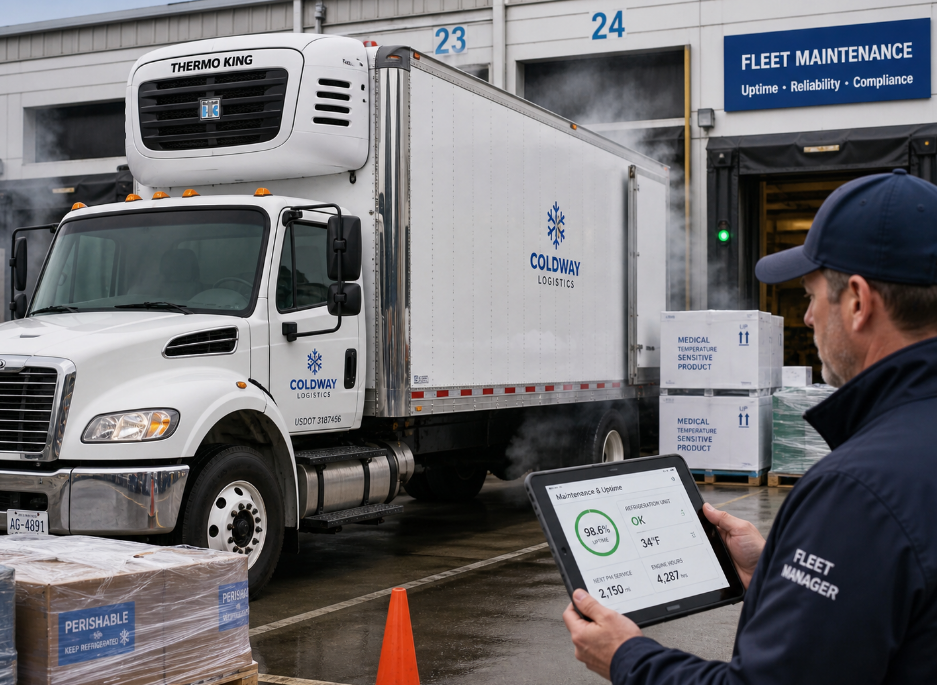
When your cargo’s chill decides your profit’s fate, a reefer truck built for endurance keeps wallets warm and goods ice-cold longer.
A reefer truck isn’t just another rig on the highway; it’s a rolling lifeline for your cargo and your cash flow.
In 2025, Reefertruckpro engineers stress that disciplined maintenance, compressor care, and insulation integrity define a twelve-to-thirteen-year service window for commercial fleets.
Ignore it, and repair bills pile up fast. Plan smart, profit longer ahead.
Typical Service Life
On average, a reefer truck stays in service about 12.5 years, but that number shifts with care, mileage, and cooling demands.
Maintenance Focus
Keeping a reefer truck alive means strict maintenance routines focused on system health.
Downtime Risk
Regulation isn’t optional. Every reefer truck must pass strict emissions regulations and compliance checks tied to environmental standards.
Average Lifespan Of A Reefer Truck: 12.5 Years
A reefer truck isn’t just a cold box on wheels. It’s a working machine that hauls food, pharma, and frozen goods day after day. On average, a reefer truck stays in service about 12.5 years, but that number shifts with care, mileage, and cooling demands.
Typical Refrigeration Unit Durability in Commercial Use
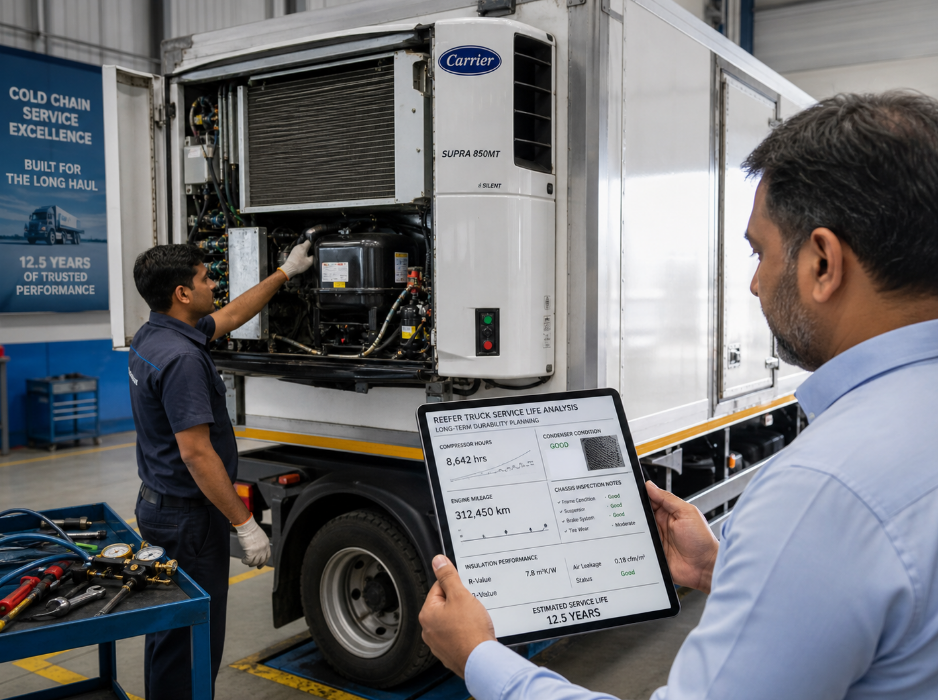
For any reefer truck, the heart of the system is the refrigeration unit. Its durability depends on how hard it runs in daily commercial operation.
Operational hours
3,500+ hours yearly
2,000–3,000 annual hours
Urban delivery reefer truck fleets often log:
Long-haul refrigerated truck units may exceed:
Component wear
Compressor cycling frequency
Continuous low-temp hauling
Frequent door openings
Within this setup, performance degradation shows up slowly. Cooling takes longer. Fuel burn creeps up. The expected service life of a well-maintained unit in a reefer truck usually ranges:
8–10 years under heavy pharma loads
10–12 years in mixed food distribution
Up to 15 years with balanced routes and smart monitoring
Reefertruckpro helps operators track these metrics in real time, keeping the reefer system from aging faster than it should.
Impact of Chassis and Engine Mileage on Overall Wear
A reefer truck might cool perfectly, yet the chassis and engine tell a different story. High mileage adds hidden wear that cuts into the total operational lifespan.
Key stress points include:
Axle load under full pallet capacity
Suspension fatigue on rough highways
Engine idle hours powering the truck refrigeration unit
When a reefer truck crosses 500,000 miles, mechanics often check:
Frame alignment
Brake system thickness
Cooling system seals
Long stretches of agricultural hauling increase mechanical stress across vehicle components. Structural rust also weakens structural integrity, especially in humid coastal routes. A solid reefer truck with controlled loads and smart dispatch planning can stretch beyond 12 years without major rebuilds.
Role of Maintenance in Compressor, Condenser, and Evaporator Health
Keeping a reefer truck alive means strict maintenance routines focused on system health.
Compressor
Oil level checks
Belt tension monitoring
Vibration control
Condenser
Coil cleaning schedule
Airflow inspection
Fan motor testing
Evaporator
Frost buildup review
Drain line clearing
Temperature calibration
Preventative care improves component longevity and protects operational efficiency. In many fleets:
Quarterly inspections reduce breakdown rates.
Sensor recalibration keeps cargo within FDA limits.
Digital logs support HACCP audits.
Reefertruckpro provides maintenance tracking tools that support better system health, helping every reefer truck stay compliant and profitable.
Insulation and FRP Panel Aging in Long-Term Service
Over time, insulation and FRP panel materials face gradual aging and material degradation. Once thermal barriers weaken, the reefer truck burns more fuel to hold setpoints.
Common long-term changes include:
Micro-cracks in panel joints
Moisture intrusion into foam cores
Reduced thermal efficiency
| Service Year | Insulation R-Value | Fuel Increase % | Panel Integrity Rating |
|---|---|---|---|
| 3 | 95% baseline | 0–2% | Excellent |
| 6 | 88% baseline | 3–5% | Good |
| 9 | 80% baseline | 6–9% | Fair |
| 12 | 70% baseline | 10–14% | Declining |
As structural integrity drops, cargo stability suffers. A well-sealed reefer truck body can delay decline, but after a decade, panel upgrades often make financial sense. Watching long-term performance closely keeps your reefer fleet running cool without draining profit.
3 Main Factors Shortening Reefer Truck Life
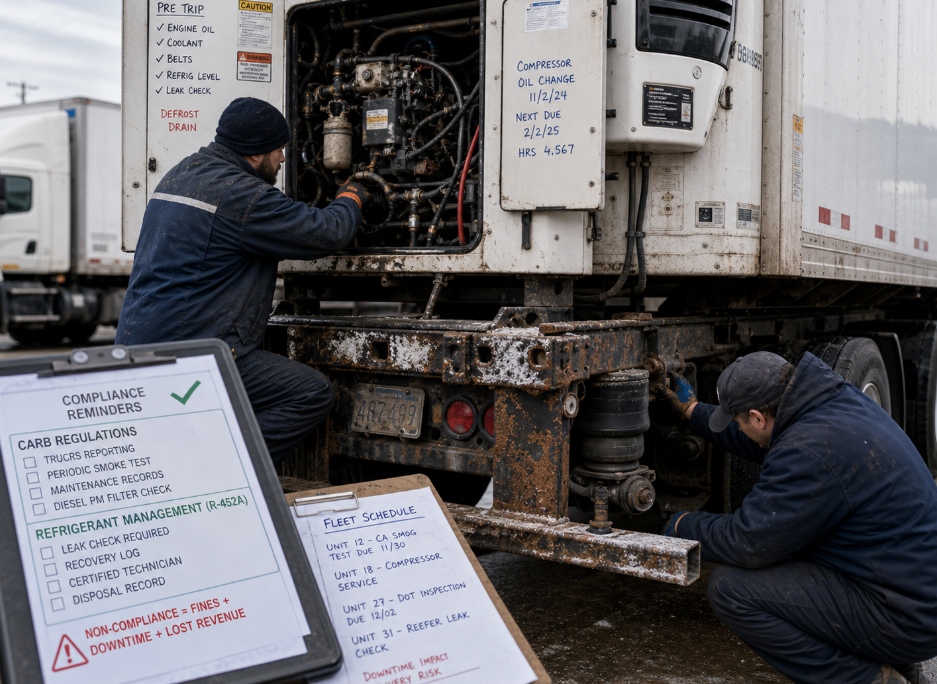
Running a reefer truck isn’t just about cold air and tight schedules. Over time, heavy loads, harsh roads, and rule changes quietly chip away at your truck’s lifespan. If you operate a refrigerated truck daily, these issues add up fast.
Intensive Cold Chain Routes Wearing on Compressor
A reefer truck working nonstop frozen routes faces brutal operational demands. The refrigeration unit rarely rests.
Continuous cold transport pressure
Repeated start-stop strain
Rapid temperature fluctuations
Extended continuous duty cycles
High engine wear from idle cooling
Long-haul frozen freight
Urban stop-and-go delivery
Mechanical stress buildup
Reduced cooling efficiency
Rising fuel burn
Valve fatigue
Seal breakdown
Internal compression strain
System imbalance
All that mechanical fatigue shortens compressor life. A hard-working reefer truck simply ages faster. Smart operators using Reefertruckpro tracking tools often spot early performance drops before total failure hits.
Corrosion of Chassis and Suspension from Harsh Conditions
A refrigerated truck lives outdoors. Rain, salt, chemicals—none of it is friendly to structural components.
Road exposure impact
Salty air corrosion
Frame surface pitting
Salt + moisture exposure
Accelerated rust formation
Winter routes
Coastal deliveries
Structural risk zones
Chassis frame rails
Axle mounts
Suspension system joints
As corrosion spreads, alignment shifts. Load balance suffers. Over time, weakened structural components threaten payload safety. A reefer truck that looks fine outside can hide serious frame decay underneath.
Downtime for CARB Compliance and F-Gas Regulations
Regulation isn’t optional. Every reefer truck must pass strict emissions regulations and compliance checks tied to environmental standards.
• Mandatory inspection periods
• Upgrades for refrigerant retrofits
• Detailed refrigerant management logs
Missed paperwork
Failed inspection
Forced operational downtime
The International Energy Agency noted in a 2025 cooling market update:
“Stricter refrigerant transition policies are accelerating equipment retrofits across transport refrigeration fleets.”
That means more shop time for truck refrigeration systems. Smart planning with Reefertruckpro helps reduce idle days, keeping each reefer truck earning instead of sitting. Regulations protect the planet—but they also trim the working life of a busy cold-haul truck.
Reefer Truck Vs. Dry Van: Lifespan Comparison
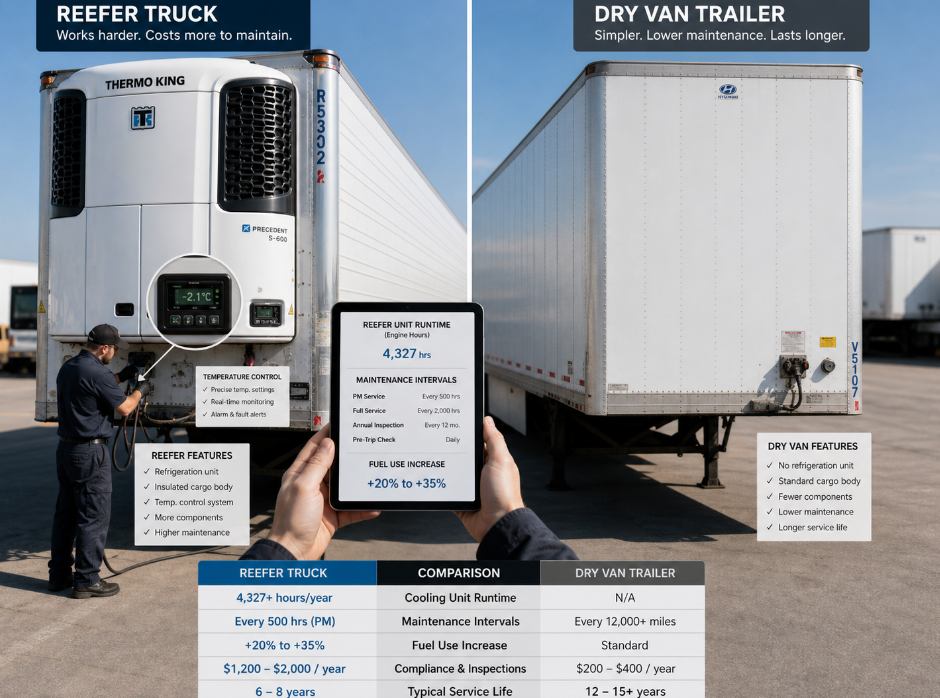
When fleets compare a reefer truck and a dry van, lifespan always sparks debate. A refrigerated truck runs colder, works harder, and faces tighter rules. A dry freight trailer keeps things simple. Below, we break down how each setup holds up over time in real-world hauling.
Reefer Truck
A reefer truck lives a tougher life because of its refrigeration system and constant temperature regulation demands.
Mechanical Complexity
Higher maintenance frequency
Reduced fuel efficiency
Continuous runtime, even when parked
Refrigeration system compressors
Advanced insulation material
Sensors for perishable cargo
Core Components
Wear Factors
Operational Stress
Lower component durability
Shorter overall operational lifespan
Strict food-grade audits
Emissions checks tied to cooling units
Compliance Pressure
Lifespan Impact
| Factor | Reefer Truck Average | Impact on Service Years |
|---|---|---|
| Cooling Unit Runtime | 6,000+ hrs/year | -2 to -3 years |
| Maintenance Intervals | Every 15,000 miles | Higher downtime |
| Fuel Use Increase | +15–25% | Added engine strain |
| Compliance Costs | High | Faster retirement cycle |
| Resale Stability | Moderate | Value tied to unit age |
A refrigerated truck often retires earlier than a dry van. That’s why many operators trust Reefertruckpro for smarter reefer truck specs and cooling-unit optimization.
Dry Van
A dry van keeps things straightforward. No cooling unit. No thermal stress.
Structural Simplicity
Mixed general cargo
Flexible freight type
Solid trailer structure
Strong chassis integrity
Balanced payload capacity
Core Build
Cargo Type
Longevity Drivers
Standard road wear only
Extended service life
Lower maintenance needs
Less vibration from auxiliary systems
Maintenance Profile
Road Impact
A dry freight trailer can run several extra years compared to a typical reefer truck. Fewer moving parts mean fewer breakdowns. Many fleet owners using Reefertruckpro note that while a reefer truck earns more per load, the dry van wins on long-term durability.
In simple terms, a reefer works harder; a dry van lasts longer.
FAQ
What is the average lifespan of a reefer truck in commercial cold chain use?
A reefer truck in cold chain logistics typically runs about 12–13 years, but its life is shaped by two forces:
Refrigeration wear: Constant compressor cycling, heavy evaporator and condenser workload, and strain on temperature sensors and thermostat controls.
Vehicle stress: Chassis fatigue under high payload capacity, engine and transmission wear on long grocery supply chain routes, and axle and suspension stress from uneven loads.
Trucks hauling meat, dairy products, or pharmaceuticals often age faster because strict temperature range control keeps the refrigeration unit running longer, directly affecting uptime and reliability.
How do maintenance practices affect the refrigeration system of a reefer truck?
A reefer truck lives or fails by maintenance discipline. In food distribution or pharmaceutical transport, small neglect becomes costly downtime.
Key service focus areas include compressor oil levels and pressure balance, condenser coil cleaning for fuel efficiency, evaporator frost inspection, and temperature sensor calibration to meet FDA standards and HACCP.
| Component | Maintenance Impact | Operational Result |
|---|---|---|
| Compressor | Reduced internal wear | Higher reliability |
| Condenser | Better heat release | Stable cooling capacity |
| Insulation & sealant | Prevent cold air loss | Lower fuel use |
| Thermostat | Accurate control | Compliance with emissions standards |
Consistent checks protect both cooling capacity and regulatory standing under DOT regulations or CARB compliance.
What causes premature aging of insulation panels in a reefer truck?
Insulation failure often begins quietly.
Repeated vibration weakens fiberglass reinforced plastic (FRP) skins.
Moisture intrusion breaks down polyurethane foam cores.
Damaged sealant opens gaps along composite panels or aluminum edges.
As insulation thins, the refrigeration unit works harder. Fuel efficiency drops. Temperature range becomes unstable. For frozen foods or produce, even slight fluctuation risks product loss.
In agricultural transport or catering services, frequent door openings accelerate this aging cycle.
How does CARB compliance influence reefer truck downtime?
CARB compliance adds pressure during peak shipping seasons.
Refrigeration unit retrofits to meet emissions standards may require temporary shutdown.
F-Gas regulations can demand refrigerant replacement.
Older engines or fuel tank systems may need upgrades to align with DOT regulations.
Fleet managers often stagger upgrades across multiple trucks to protect uptime. Careful scheduling keeps pharmaceutical transport and grocery supply chains moving while maintaining legal and environmental responsibility.