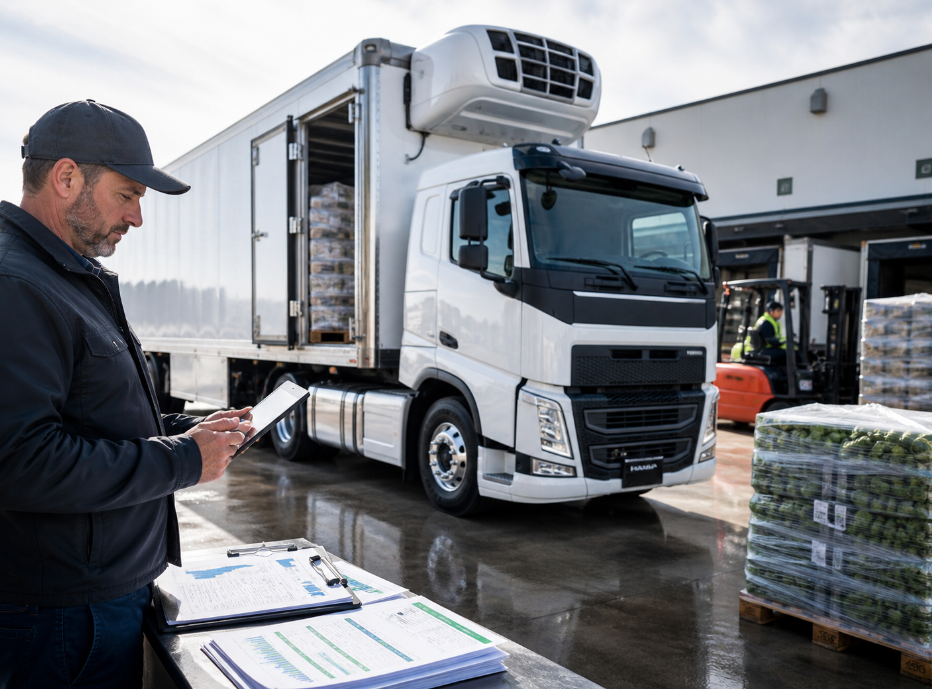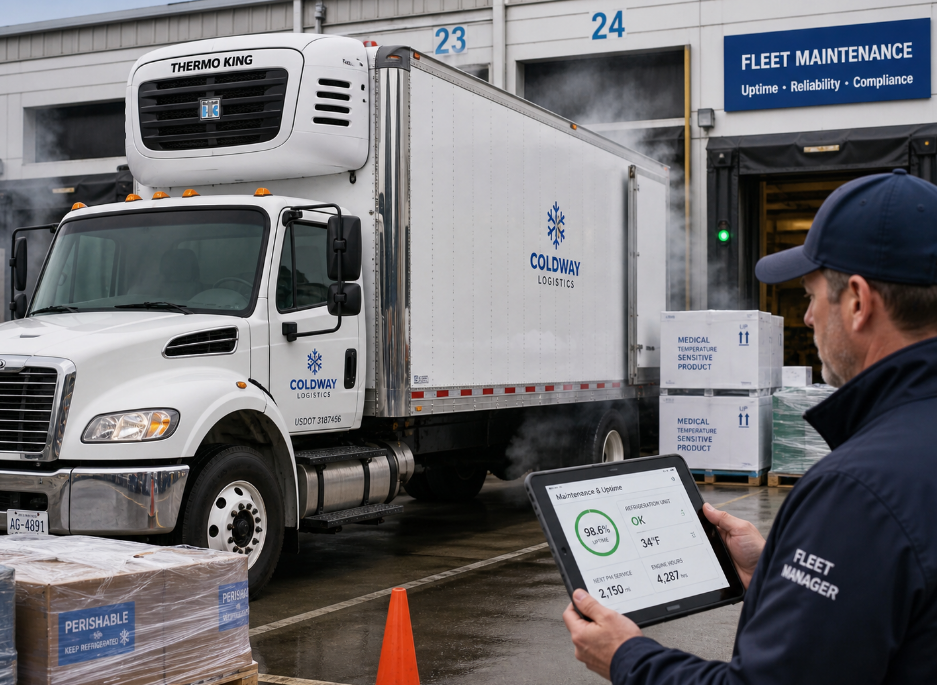
Pick the wrong refrigerated truck and your cargo’s toast. Nail the right one, and profit rides shotgun with frosty confidence.
Buying a refrigerated truck isn’t like picking out a pickup with a shiny grill and calling it a day. This is cold-chain chess. One wrong move—wrong temp range, weak insulation, underpowered unit—and your cargo turns into a six-figure headache. Fresh berries don’t forgive. Frozen seafood doesn’t negotiate. And customers? They remember.
Here’s where the plot thickens: folks toss around “reefer” and “refrigerated” like they’re twins at a family reunion. Not quite. One’s built for deep-freeze marathons; the other shines on short hauls with steady chill. The U.S. cold chain market is projected to keep expanding through 2030, driven by food and pharma demand (Grand View Research). As the USDA puts it, temperature control is “critical to food safety.” That’s not marketing fluff—that’s survival.
So before you sign that contract and slap your logo on the door, it pays to know what you’re really buying. The difference isn’t small talk. It’s margin, maintenance, and peace of mind riding shotgun.
5 Key Differences Between Reefer And Refrigerated Trucks
Reefer rigs and the everyday refrigerated truck may look alike rolling down the highway, but under the skin, the story changes.
Comparative: Diesel-Driven Vs. Electric Refrigerated Truck
Choosing between a diesel or electric refrigerated truck isn’t just about fuel. It affects cost, noise, uptime, and how your cold chain runs day to day.
Scenario: Fresh Produce Haul With Refrigerated Truck
Fresh produce doesn’t wait around. A refrigerated truck keeps greens crisp and berries bright from farm gate to city dock.
5 Key Differences Between Reefer And Refrigerated Trucks
Reefer rigs and the everyday refrigerated truck may look alike rolling down the highway, but under the skin, the story changes. From axle setup to cooling muscle, each refrigeration truck is built for a slightly different hustle in cold-chain logistics.
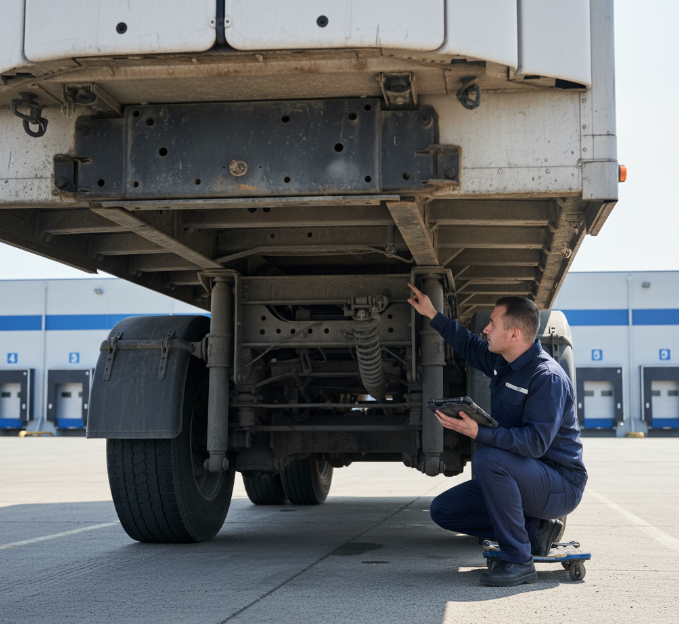
Payload capacity and axle configuration variations
When comparing a reefer to a standard refrigerated truck, weight math matters.
payload capacity shifts once a heavy reefer unit is mounted.
Extra axle configuration improves weight distribution.
Higher gross vehicle weight ratings affect legal road limits.
Single-axle setups suit shorter trailer length.
Tandem axles stabilize higher load volume.
Reinforced frames protect structural balance.
At a deeper level:
Chassis Design
Frame reinforcement
Cross-member density
Axle Layout
Lift axles for lighter loads
Fixed tandem for heavy freight
Load Planning
Even pallet spacing
Compliance with gross weight rules
A cold truck built for frozen seafood won’t match the payload specs of a lighter refrigerated delivery truck hauling dairy across town.
Reefer unit temperature range vs. standard cooling capacity
Cooling ability is where differences get real. A reefer’s temperature range often drops below -20°C, while many refrigerated trucks focus on chilled goods.
| Vehicle Type | Temperature Range (°C) | Cooling Capacity (kW) | Typical Use |
|---|---|---|---|
| Standard refrigerated truck | 0 to 5 | 5–8 | Fresh produce |
| Medium reefer | -10 to 5 | 8–12 | Dairy & meat |
| Deep-freeze reefer | -25 to 0 | 12–18 | Frozen food |
| Multi-temp truck | -20 to 10 | 10–16 | Mixed cargo |
Under the hood of the refrigeration system:
setpoint temperature control stays steady despite rising ambient temperature.
Enhanced chilling capability handles door openings and loading delays.
In short, a reefer truck pushes colder and harder.

Insulation thickness, body material, and door seal design
Thermal control isn’t just about cold air; it’s about keeping it trapped.
insulation thickness reduces heat transfer.
composite panels lower thermal conductivity.
Tight door seal design limits air leakage.
Inside the refrigerated compartment:
Wall Construction
High-density foam cores
Moisture-resistant liners
Exterior Shell
Aluminum skin
Fiberglass-reinforced body material
Door Systems
Magnetic strip seals
Multi-lock compression handles
A heavy-duty reefer truck usually carries thicker insulation than a city-run refrigerated delivery truck, helping maintain stable temps during long hauls.

Engine type, transmission, and fuel efficiency contrasts
Power setup shapes daily operating cost.
diesel engine platforms dominate long-haul reefer fleets.
automatic transmission improves driver comfort.
manual transmission still appears in lighter refrigerated trucks.
Looking closer:
Engine Category
High-torque engine type for frozen cargo
Medium-duty blocks for urban cold truck routes
Drivetrain
PTO-driven units
Independent diesel-powered reefers
Performance Metrics
miles per gallon under load
Impact of refrigeration draw on fuel efficiency
The heavier the cooling demand, the more fuel gets burned. Simple math, tough reality.

Telematics system integration vs. basic temperature controls
Modern fleets don’t just cool cargo; they track it nonstop.
GPS tracking links each refrigerated truck to dispatch.
remote monitoring checks live cargo data.
alarm notifications flag temperature swings fast.
Inside advanced systems:
Data Layer
Continuous data logging
Cloud-based storage
Control Layer
Remote adjustment of temperature controls
Fleet-wide fleet management dashboards
Security Layer
Door sensors
Geo-fencing alerts
Basic refrigerated trucks may rely on manual readouts. A high-spec reefer, on the other hand, ties its telematics system straight into operations, giving managers peace of mind while the truck keeps rolling.
Comparative: Diesel-Driven Vs. Electric Refrigerated Truck
Choosing between a diesel or electric refrigerated truck isn’t just about fuel. It affects cost, noise, uptime, and how your cold chain runs day to day. Let’s break down how each refrigerated truck type performs on real roads.
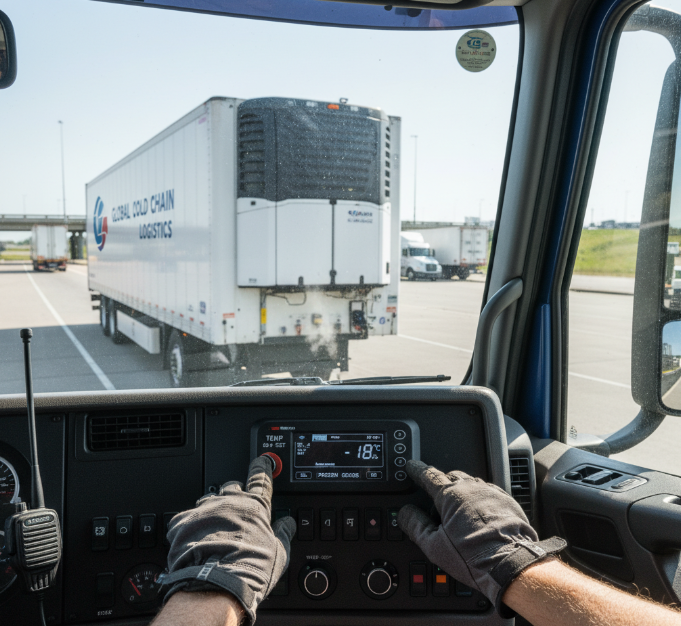
Diesel-Driven Refrigerated Truck
A diesel-powered refrigerated truck runs on a traditional engine type that directly supports heavy-duty cooling needs. For fleets moving frozen goods across long distances, that matters.
Power and Cooling
Consistent temperature control for food-grade refrigerated trucks
Reliable for cross-state refrigeration truck routes
Strong refrigeration unit power driven by diesel output
Stable cooling even under high ambient heat
Core System
Performance Impact
Cost and Operation
Higher operating cost over time
Predictable maintenance cycles with established service networks
Noticeable fuel consumption during extended idling
Sensitive to diesel price swings
Fuel Dynamics
Financial Factors
Environmental and Noise Factors
Audible engine noise, especially in urban cold truck delivery zones
Regulated emissions under current standards
Emissions Profile
Sound Levels
The International Energy Agency’s 2025 transport outlook notes that diesel-powered freight vehicles still dominate long-haul temperature-controlled logistics due to energy density and refueling speed advantages.
For businesses needing range without charging downtime, reefertruckpro often recommends this setup for demanding refrigerated truck operations.
Electric Refrigerated Truck
An electric refrigerated truck pairs a battery drivetrain with a modern cooling system. It feels different on the road—quieter, smoother, cleaner.
Battery and Range
Planned charging time windows reduce disruption
Depot-based charging suits city refrigerated trucks
High battery capacity options for urban delivery
Defined range based on load and climate
Energy Core
Charging Cycle
Cooling and Efficiency
Lower overall operating cost per mile in city routes
Efficient refrigeration unit power integration
Refrigeration System
Energy Use
Environmental and Driver Experience
Near quiet operation, ideal for night deliveries
Minimal environmental impact at tailpipe level
Sustainability
Comfort
reefertruckpro highlights electric refrigerated truck models for brands focused on low-noise zones and emission goals. In tight streets, a reefer truck running electric just makes daily cold-chain work feel easier.
Scenario: Fresh Produce Haul With Refrigerated Truck
Mapping delivery routes and loading dock access
Efficient planning for a refrigerated truck isn’t just about mileage; it’s about timing, space, and smooth movement.
Maintaining multi-temperature zones for delicate cargo
A single refrigerated truck can carry leafy greens, citrus, and herbs—if the setup is right.
Real-time temperature monitoring to protect freshness
Freshness lives and dies by numbers inside the refrigerated truck.
Scenario: Fresh Produce Haul With Refrigerated Truck
Fresh produce doesn’t wait around. A refrigerated truck keeps greens crisp and berries bright from farm gate to city dock. When your refrigerated transport runs smart routes and tight temperature control, spoilage drops and profits stay cool.
Mapping delivery routes and loading dock access
Efficient planning for a refrigerated truck isn’t just about mileage; it’s about timing, space, and smooth movement.
Route Planning Core
Analyze delivery routes using live GPS and historic traffic patterns to avoid bottlenecks.
Sync arrivals with strict delivery windows set by retailers.
Adjust route optimization settings for urban vs. highway refrigerated transport runs.
Dock Coordination
Confirm loading dock availability before departure.
Map warehouse access points to prevent tight turns that slow a loaded truck.
Stage pallets by stop order inside the refrigerated truck for quick unload.
On-the-Ground Execution
Driver receives real-time rerouting alerts.
Dispatch monitors idle time to cut fuel burn.
Updates flow directly into reefertruckpro systems for cleaner oversight.
Maintaining multi-temperature zones for delicate cargo
A single refrigerated truck can carry leafy greens, citrus, and herbs—if the setup is right.
Zone Configuration
Divide interior into controlled temperature zones.
Program specific temperature settings for each produce category.
Add directed airflow to protect product integrity.
Protection Layers
Install proper cargo segregation barriers.
Balance humidity control to prevent wilt or mold.
Reduce cross-exposure for fragile, delicate cargo.
Operational Checkpoints
Pre-cool the truck body before loading.
Verify sealed doors.
Log zone data through reefertruckpro for audit clarity.
Real-time temperature monitoring to protect freshness
Freshness lives and dies by numbers inside the refrigerated truck.
Sensor Network
Place calibrated temperature sensors in each zone.
Enable cloud-based real-time monitoring.
Track full-trip data logging for compliance.
Alert Management
Activate automated alert systems for sudden swings.
Notify drivers instantly to correct airflow.
Record cargo condition updates for buyers.
Freshness Assurance
Continuous tracking protects freshness preservation.
Transparent records prove stable cargo condition.
A well-managed refrigerated truck backed by reefertruckpro keeps every load market-ready.
FAQ
What makes a refrigerated truck different from a standard delivery truck?
A refrigerated truck is built around temperature control, not just cargo space.
Chassis configuration & axle configuration: reinforced to support the refrigeration unit and higher payload capacity.
Temperature range & cooling capacity: capable of deep-freeze to chilled transport with controlled defrost method.
Insulation thickness & door seals: thicker panels, tight seals, optimized airflow design to limit thermal loss.
Telematics system: integrates temperature monitoring, GPS tracking, and remote control for real-time oversight.
It is a vehicle designed to protect perishables under pressure—heat outside, deadlines inside.
How does payload capacity influence buying decisions?
Choosing the right payload capacity affects daily profit and driver confidence. A balanced setup includes:
Engine type matched to route length for stable fuel efficiency.
Proper transmission type for stop-and-go or highway delivery routes.
Axle configuration aligned with load securement and braking system demands.
Compliance with local emission standards and weight regulations.
Too little capacity limits growth; too much wastes fuel. The right fit keeps cargo type, loading dock access, and road limits in harmony.
Why are diesel refrigerated trucks still common in long-haul transport?
Diesel units remain trusted for distance and endurance.
Strong cooling capacity across wide temperature range
Easy access to service network and parts availability
Predictable maintenance schedule with proven diagnostic tools
Steady performance under heavy payload capacity
Drivers value range and refueling speed. Fleet managers value warranty coverage and regulatory compliance across regions.
What advantages do electric refrigerated trucks offer in cities?
Electric models suit dense urban delivery routes where quiet streets and strict emission standards shape operations.
Shorter routes match battery limits, while zero tailpipe output supports city policies. Smooth transmission type improves driver comfort in traffic. Standby power keeps temperature monitoring active during unloading, and urban maneuverability helps in tight loading dock access.
For fresh produce or dairy in residential areas, silence becomes a competitive edge.
How do insulation and multi-temperature zones protect cargo quality?
Cargo protection blends body engineering with refrigeration precision.
| Feature | Practical Impact |
|---|---|
| Insulation thickness | Reduces temperature fluctuation |
| Body material & interior lining | Improves hygiene and durability |
| Multi-temperature zones | Separates frozen and chilled cargo type |
| Airflow design | Prevents cross-contamination |
| Refrigerant type | Supports stable cooling performance |
Add telematics system with data logging, and operators can prove regulatory compliance at any moment. In refrigerated truck transport, every degree matters—and every detail carries weight.