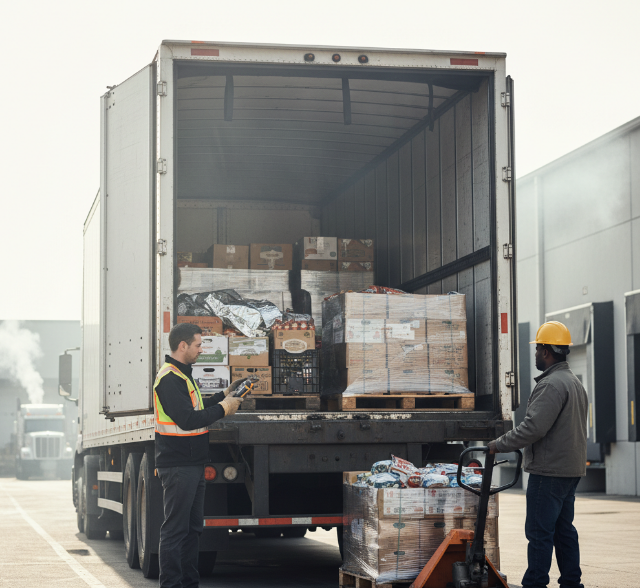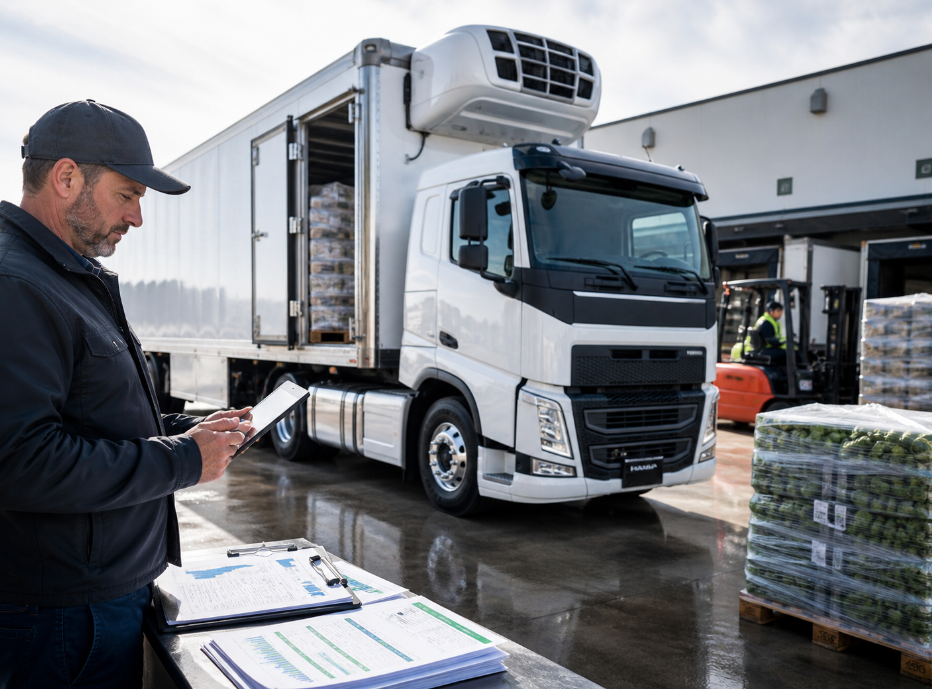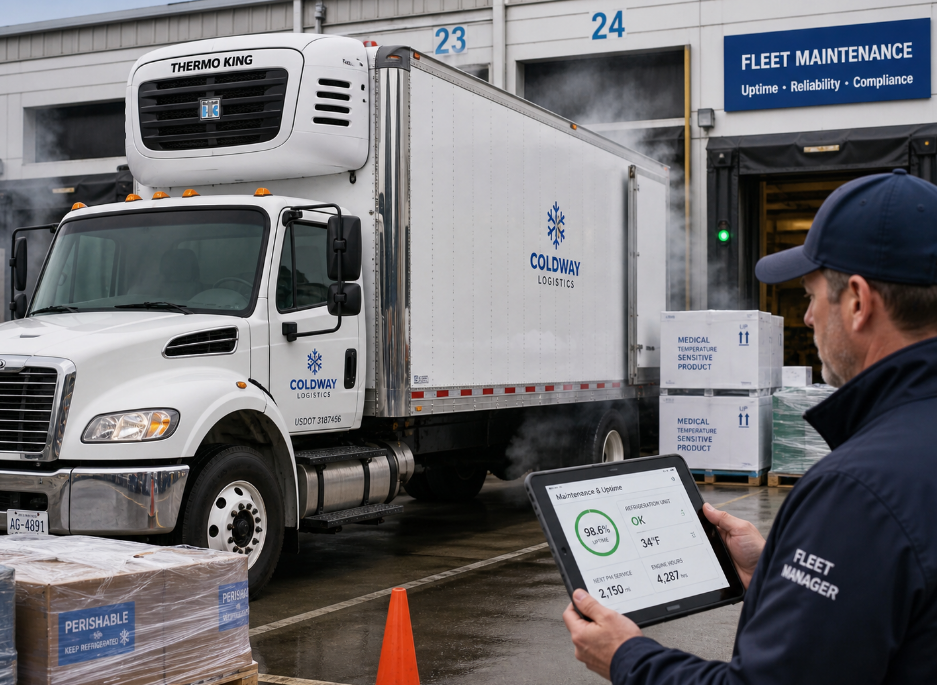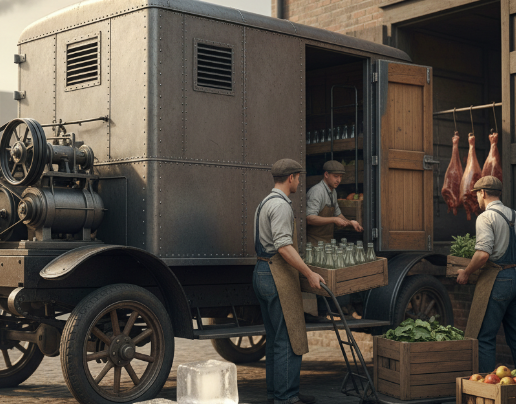
Born from melting ice and deadline panic, the refrigerated truck still rules survival—because in cold transport, one hot mistake melts profit.
A refrigerated truck wasn’t born in a shiny lab—it clawed its way out of melting ice wagons and sweaty delivery routes. Back in the early 1900s, grocers were racing the clock, hauling beef and milk before it spoiled. When engine-driven compressors hit motorized chassis, the cold chain finally had muscle. That shift didn’t just chill cargo; it changed commerce.
“Temperature-controlled logistics is mission-critical infrastructure,” notes the U.S. Department of Transportation. No drama—just fact.
Today’s buyers feel the heat in a different way: tighter margins, stricter ATP standards, customers who won’t forgive a single degree off spec. The origin story matters because it proves one thing—cold transport has always been about survival. And the smartest fleets still treat it that way.
Origins in Ice Wagons
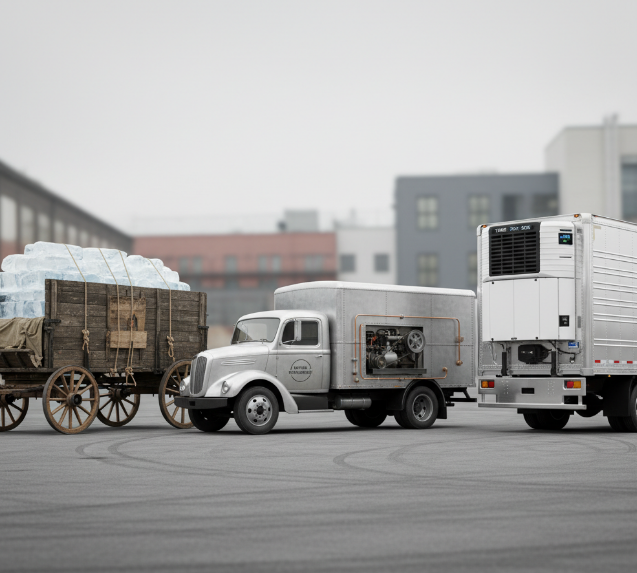
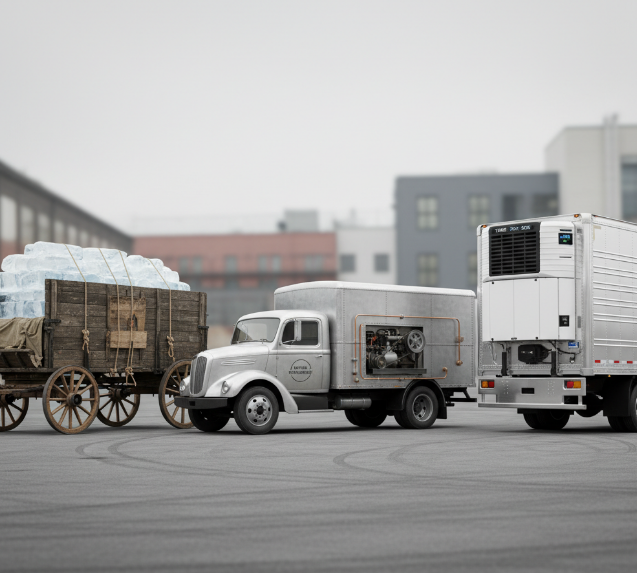
From horse-drawn ice blocks to engine-driven compressors, early innovators fought spoilage with natural refrigerants and manual airflow.
Mechanical and Material Milestones
The shift to compressors, polyurethane foam, and CNC-cut aluminum boxes redefined insulation, weight distribution, and reliability.
Modern Control and Compliance
Today’s fleets leverage advanced control units, ATP standards, and real-time telematics as mission-critical infrastructure.
From Horse-Drawn Wagons to Modern Refrigerated Trucks
Cold-chain transport didn’t pop up overnight. The modern refrigerated truck grew from simple ice wagons into today’s high-tech cold haulers. What started as rough wooden boxes now powers every serious truck refrigeration fleet on the road.
Horse-Drawn Ice Wagons and Natural Refrigerants
Early food transport relied on horse-drawn carts packed with ice. These wagons handled basic preservation, long before engine power touched a refrigerated truck.
Core system
Wood panels
Tar-based sealants
Blocks of harvested ice
Air circulation through vents
Cooling source
Insulation
At that time, natural refrigerants and airflow tricks defined early refrigeration. No compressor. No engine hum. Just melting ice and careful timing.
Transitioning to Mechanized Compressors on Early Chassis
The shift came when mechanized compressors met the early chassis.
Engine output powered belt-driven units.
Frame rails carried condensers and evaporators.
Suspension upgrades handled added weight.
Under the hood of the evolving refrigerated truck, refrigeration systems began syncing with engine power, marking a true transition period in cooling technology. The cold truck was no longer passive; it worked.
CNC-Cut Aluminum Boxes and Polyurethane Foam Insulation
Modern box builds changed the game for every fridge truck.
Structural shell
CNC cutting shapes aluminum boxes
Seam alignment improves thermal sealing
Thermal core
Injected polyurethane foam
Advanced insulation materials
This combo strengthened structural design and upgraded manufacturing techniques, turning the refrigerated truck into a durable, moisture-resistant asset. Brands like Reefertruckpro fine-tune these builds so a reefer truck stays efficient mile after mile.
Modern Control Units and Robotic Welders in Today’s Fleet
Today’s refrigerated truck runs on brains as much as hardware.
Digital layer
Modern control units adjust compressors
Smart sensors monitor cargo zones
Production line
Robotic welders ensure repeatable seams
Automated jigs standardize builds
In large fleet management systems, advanced technology, automation, and digital controls track performance in real time. A cold truck now talks back—temperature logs, alerts, diagnostics. Reefertruckpro integrates these tools so every refrigerated truck delivers steady cooling without drama.
How Early 20th-Century Innovators Conceived the Refrigerated Truck
Early builders of the refrigerated truck were not chasing style; they were solving spoiled cargo and lost profits. By blending mechanics with gutsy trial and error, those pioneers shaped the modern refrigerated, cold chain truck and set the tone for every refrigerated truck on the road today.
The First Compressor-Equipped Frame Rails
Designers reworked the truck chassis to carry mechanical refrigeration without wrecking balance.
Structural Integration of the Compressor
Improved efficiency of the cooling system
Reduced vibration transfer into the vehicle structure
Protected the early refrigeration unit
Mounting the compressor directly onto reinforced frame rails
Aligning belt drives with engine output
Weight Distribution Strategy
Positioning condensers near mid-axle zones
Offsetting fuel tanks to prevent sway
Mechanical Refrigeration Stability
Bracing crossmembers
Shielding refrigerant lines from road shock
This layout turned a basic truck into a working refrigerated truck, tough enough for produce hauls. Modern builders like Reefertruckpro still echo these balance rules when engineering today’s refrigerated truck platforms.
Pioneering Thermostat Designs by Visionary Engineers
Early engineer teams focused on tight temperature control. A simple thermostat used a pressure-based sensor and brass mechanism to open or close flow inside the evaporator loop. Crude by today’s standards, sure—but clever.
Key improvements included:
Adjustable calibration screws for fine design tweaks
Faster-reacting expansion valves
Better insulation around sensing bulbs
Some called it small-town innovation. Others saw the birth of safe food transport. The inventor mindset was practical: keep meat cold, keep milk fresh, keep the refrigerated truck rolling.
That thinking still guides Reefertruckpro systems, where modern thermostats carry the DNA of those early builds while powering advanced cold chain truck fleets.
From Hand-Drawn Sketches to Prototype FEA Analysis
Concept development matured in clear phases:
Concept Drafting
Mapping airflow paths
Estimating load stress
Pencil sketch on drafting boards
Prototype Testing
Physical prototype mounting on a refrigerated truck
Road trials under heat loads
Engineering Validation
Thermal simulation
Frame deformation checks
Full engineering analysis in the development phase
Early stress calculations
Modern FEA analysis
What began as rough drawing work now runs through digital modeling, yet the goal stays simple: build a refrigerated truck that keeps cargo steady, safe, and cold—mile after mile.
8 Surprising Milestones in Refrigerated Truck Evolution
Milestone 1 – Introduction of Mechanical Compressors
The shift to mechanical compressor systems redefined refrigeration inside every refrigerated truck.
Core transformation
Replacement of ice-based cooling
Closed-loop system using vapor compression
Stable temperature across long-haul freight
Technical impact
Continuous refrigerant circulation
Controlled condenser–evaporator exchange
Reduced cargo spoilage rates
For any refrigerated truck operator, this meant less guesswork and way fewer “uh-oh” moments at delivery docks.
Milestone 2 – Adoption of Polyurethane Foam Insulation
Better insulation changed the game for every refrigerated vehicle on the road.
Material innovation
Polyurethane foam core
Sealed panel construction
Lower thermal transfer
Efficiency gains
Improved efficiency in extreme climates
Reduced compressor cycling
Lower fuel consumption
Short version? A refrigerated truck with modern insulation holds temp like a champ, even during multi-stop urban runs.
Milestone 3 – Axle Reinforcements for Heavy Loads
As refrigerated truck bodies got thicker and foam-packed, weight climbed fast.
Structural upgrades
Reinforced axle assemblies
Heavy-duty suspension
Strengthened chassis
Load management
Increased structural capacity
Safer heavy cargo handling
Balanced weight distribution
No solid axle setup, no reliable reefer truck. It’s that simple.
Milestone 4 – Integration of Advanced Control Units
Modern refrigerated truck systems rely on advanced electronic control technology.
Monitoring framework
Embedded sensor arrays
Real-time temperature tracking
Cloud-linked data logging
Operational flow
Detect fluctuation
Auto-adjust compressor output
Alert fleet manager
The 2025 Global Cold Chain Logistics Report by Allied Market Research notes that digital monitoring adoption in refrigerated transport fleets has surpassed 65%, driven by demand for traceable temperature data.
For brands like Reefertruckpro, smart control units aren’t extra—they’re expected.
Milestone 5 – Launch of Just-In-Time Delivery Models
The rise of JIT reshaped refrigerated truck routing.
Supply chain alignment
Tight logistics scheduling
Lean inventory control
Coordinated transportation planning
Operational model
Sync warehouse dispatch
Optimize delivery windows
Minimize idle cargo time
A refrigerated truck now works as part of a living supply chain, not just a moving freezer.
Milestone 6 – Enforcement of ATP Certification Standards
ATP certification introduced hard standard rules for cross-border perishable transport.
Compliance structure
Thermal regulation checks
Equipment compliance audits
International documentation
Validation cycle
Inspect insulation integrity
Verify cooling performance
Issue certification label
For any refrigerated truck heading overseas, ATP approval is the golden ticket.
Milestone 7 – Thermal Performance and Leak Detection Tests
Before fleet rollout, each refrigerated truck goes through strict thermal performance and leak detection procedures.
Test layers
Chamber-based test simulations
Refrigerant line inspection
Door seal integrity checks
Quality control
Measure cooling pull-down time
Identify micro-leaks
Confirm system efficiency
That’s how a reefer truck earns trust before touching high-value cargo.
Milestone 8 – Robotic Welding in Mass Production Lines
Automation reshaped refrigerated truck manufacturing.
Production upgrades
Robotic welding arms
Precision assembly alignment
Streamlined production flow
Efficiency drivers
Uniform seam strength
Reduced human error
Higher line efficiency
At scale, companies like Reefertruckpro use automation to keep every refrigerated truck consistent, durable, and ready for real-world cold chain pressure.
Why Reliable Refrigerated Truck Service Networks Matter Today
Running a refrigerated truck fleet today isn’t just about moving goods. It’s about keeping every refrigerated truck, cooling unit, and cold storage link tight so products stay safe. A solid refrigerated truck service network keeps your truck refrigeration systems humming and your chilled truck deliveries right on time.
Strengthening Your Warehousing Solutions
A dependable refrigerated truck network connects road and warehouse operations into one smooth logistics chain.
Core integration points:
Storage capacity aligned with truck refrigeration cycles
Cross-dock distribution scheduling
Facility temperature zoning
Warehouse Layer
Cold storage mapping
Dock-to-truck temperature sync
Transport Layer
Refrigerated truck dispatch
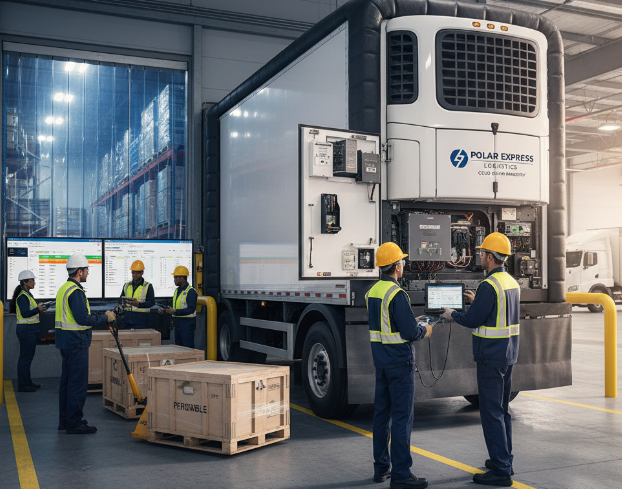
Reefer unit inspection
Optimization Layer
Route optimization
Load balancing
With Reefertruckpro, operators link every refrigerated truck to centralized distribution controls, reducing spoilage and tightening turnaround times.
Ensuring Compliance: ATP and DOT Regulations
Compliance isn’t paperwork fluff; it protects perishable goods and shields your transport laws exposure.
Compliance focus areas:
ATP certification
DOT inspections
Refrigerant records
Performance & Compliance Snapshot
| Metric | ATP Standard | DOT Requirement | Fleet Avg (2025) |
|---|---|---|---|
| Temp Variance (°C) | ±2.0 | ±2.5 | ±1.6 |
| Inspection Cycle (days) | 180 | 90 | 75 |
| Brake Check Interval (miles) | — | 10,000 | 8,500 |
| Documentation Accuracy (%) | 95 | 98 | 99 |
Reefertruckpro aligns every refrigerated truck with current standards and safety checks, keeping audits stress-free.
Real-Time Inventory Management for Cold Chains
Modern inventory control keeps the cold chain tight and transparent.
Live tracking
Data-driven management
Full visibility across the supply chain
Sensor data flows from each refrigerated truck.
Telematics sync with warehouse systems.
Alerts trigger replenishment before stock dips.
That real-time data stream helps chilled truck operators avoid waste and keep customers happy.
Preventing Downtime with Calibration and Maintenance
Downtime hits hard. Fast.
Routine calibration
Preventative maintenance
Emergency repairs
★ Key focus: equipment reliability.
Under a structured plan:
Engine and compressor checks
Electrical harness testing
Brake and reefer unit servicing
Each refrigerated truck stays road-ready, boosting service life and cutting unexpected downtime. For fleets scaling up refrigerated truck operations, this kind of steady preventative care is just smart business.
FAQ
What refrigeration system components define a high-performance refrigerated truck?
A high-performing refrigerated truck depends on tightly coordinated cooling parts:
1) Core cooling cycle
Compressor drives refrigerant flow and cooling speed.
Condenser releases heat to stabilize pressure.
Expansion valve regulates refrigerant volume.
Evaporator absorbs heat from the cargo area.
2) Precision control
Thermostat keeps temperatures steady under food safety regulations.
Control unit connects sensors and supports remote diagnostics.
When these components are balanced, cargo stays protected even during long hauls.
How is the insulated body of a refrigerated truck manufactured for durability?
The body is built like a protective shell around the chassis:
CNC cutting machines shape aluminum sheets and stainless steel panels.
Robotic welders and welding machines bond frame structures with accuracy.
Foaming equipment injects polyurethane foam between panels for thermal stability.
Adhesives, sealants, and door gaskets prevent moisture intrusion.
Fiberglass reinforced plastic (FRP) panels are often added for impact resistance. The result is a tight, temperature-controlled space built to handle daily loading stress.
Which truck chassis components are critical for cold chain safety?
A refrigerated truck carries more weight due to the refrigeration unit and insulated body, so its chassis must endure extra strain.
Key load-bearing systems include:
Frame rails – support structural weight.
Axles & suspension system – maintain balance over uneven roads.
Brake system – ensures safe stopping under heavy loads.
Steering components & electrical harness – maintain control and stable power supply.
Fuel tank – supports extended transport routes.
Strong chassis design protects both cargo and driver while meeting vehicle safety standards.
How do testing and certifications protect refrigerated truck performance?
Performance is proven under controlled conditions before the truck hits the road.
Short overview with core checks:
| Test / Standard | Purpose | Tools Used |
|---|---|---|
| Thermal performance testing | Confirms temperature retention | Environmental chambers |
| Leak detection | Prevents refrigerant loss | Leak detection equipment |
| Structural integrity testing | Verifies body strength | Material testing systems |
| ATP certification | Validates cross-border cold transport | Compliance testing |
| EPA & refrigerant handling regulations | Controls emissions & refrigerant use | Calibration services |
These steps reduce breakdown risks and support food safety regulations.
What maintenance services reduce refrigerated truck downtime?
Downtime often begins with small oversights. Preventive care keeps operations steady:
Calibration services keep the thermostat accurate.
Regular inspection of the compressor, condenser, and evaporator avoids sudden failure.
Brake system and suspension checks improve safety under load.
Inspection of sealants and door gaskets prevents temperature leakage.
Consistent servicing protects cargo integrity and supports DOT regulations compliance.
How do engineering and logistics services support refrigerated truck fleet growth?
Expanding a fleet requires both smart design and smooth logistics.
Engineering support includes:
CAD software licenses for body layout design.
FEA analysis and thermal modeling to predict stress and insulation performance.
Prototyping services for system integration testing.
Logistics coordination strengthens daily operations:
Freight forwarding and customs brokerage for cross-border delivery.
Warehousing solutions linked with inventory management systems.
Supplier auditing and just-in-time (JIT) delivery to reduce spoilage risk.
When design precision meets disciplined supply chain management, refrigerated truck fleets scale with confidence.