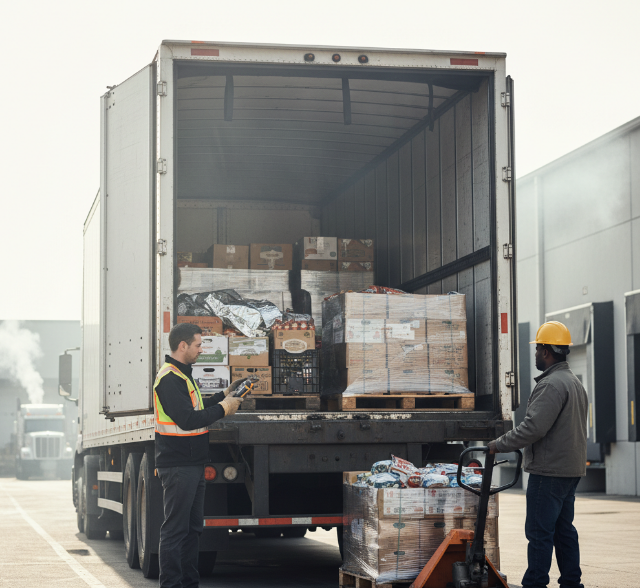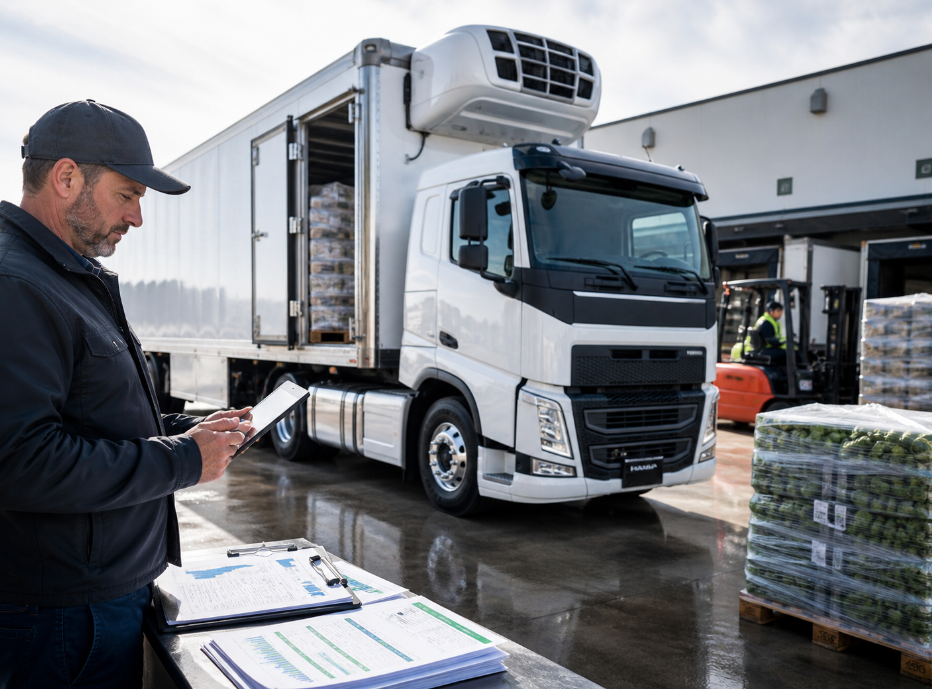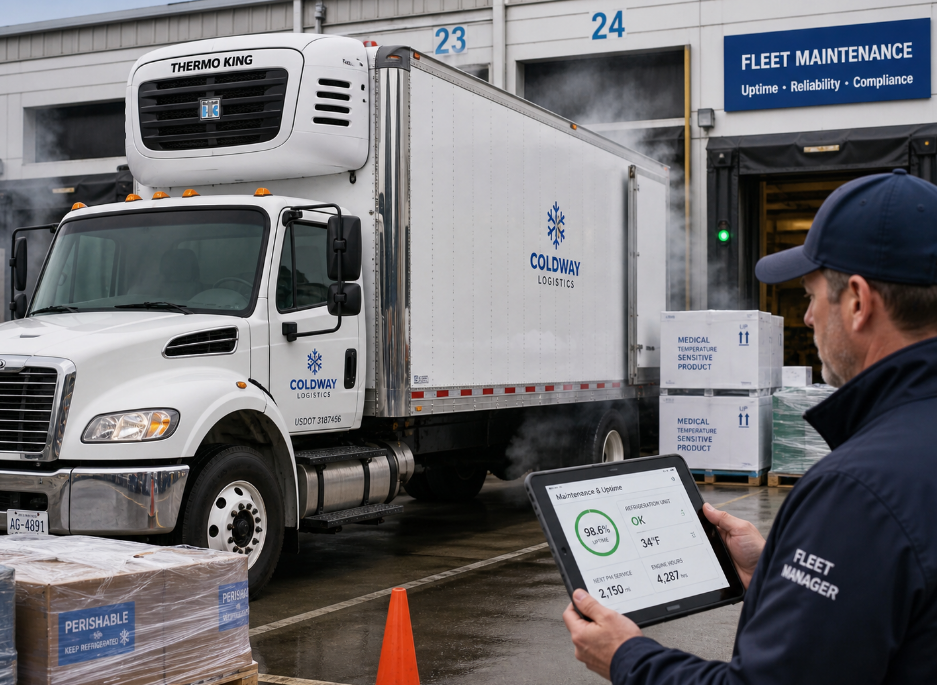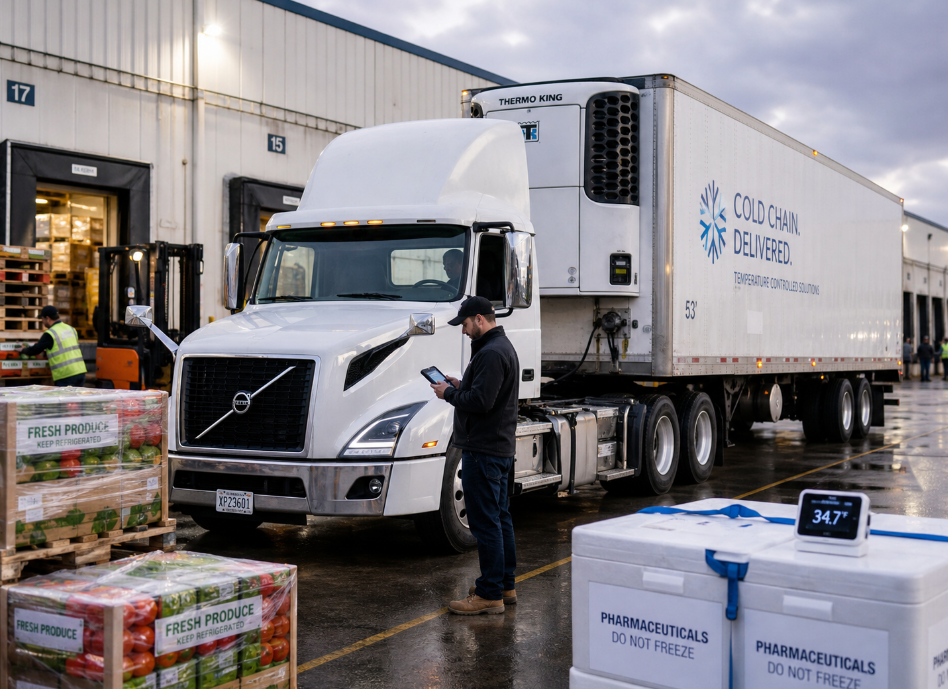
When your profits ride on ice, a reefer truck isn’t just freight—it’s reputation on wheels for serious fleet buyers chasing cool returns.
A reefer truck isn’t just a cold box on wheels; it’s your profit margin riding shotgun.
When produce sweats or vaccines spike, contracts melt fast, and reputations go south even faster.
IBISWorld’s 2025 refrigerated transport report notes sustained U.S. demand from food and pharmaceutical distribution channels driving fleet investment.
Legacy Roots
From early FRP-insulated carriages and 1930s compressor units to modern auxiliary power systems, refrigeration tech evolved for reliable cold-chain hauls.
Design & Specs
Aluminum-skinned trailers, multi-zone temperature control, precise setpoint accuracy, and robust chassis configurations ensure durability and performance.
Operational Gains
Rapid temperature pull-down, aerodynamic fairings, and ATP/HACCP compliance drive freshness, fuel efficiency, and regulatory peace of mind.
Origins Of Cold-Chain Haulers
Cold-chain hauling didn’t just pop up overnight. The modern reefer truck grew out of trial, error, and some gritty engineering that changed how food and medicine move across cities and highways.
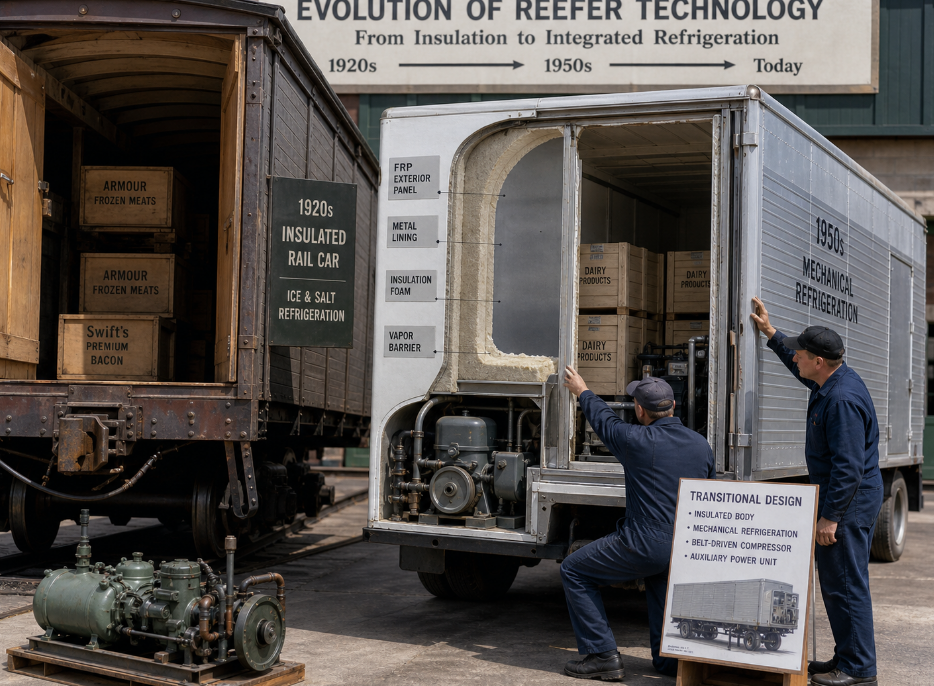
Early Insulated Carriages with FRP and Polyurethane Foam Insulation
Before powered cooling, early insulated carriages relied on layered walls and smart material choices to keep cargo steady. The goal was simple: slow down heat gain and protect whatever rode inside that early reefer truck body.
Core materials used in early designs:
FRP panels
Polyurethane foam
Basic thermal insulation liners
Wood framing formed the base.
Composite materials like fiberglass were added.
Cavities were filled with polyurethane foam to boost insulation technology.
In many early reefer truck builds, the wall structure followed a practical hierarchy:
Structural shell
Exterior skin: FRP panels
Inner lining: sealed aluminum sheet
Insulation layer
Injected polyurethane foam
Air-gap buffering
Thermal barrier testing
Ice-retention trials
Ambient heat exposure checks
These early designs didn’t look fancy, but that layered setup reduced thermal transfer enough to move meat and dairy farther than ever before. For today’s reefer truck operators, that foundation still matters. Brands like Reefertruckpro build on this same logic, refining materials instead of reinventing the wheel.
| Material Type | Thermal Conductivity (W/m·K) | Avg. Panel Thickness (mm) | Relative Insulation Efficiency |
|---|---|---|---|
| Wood Panel | 0.12 | 20 | Medium |
| FRP Panel | 0.04 | 15 | High |
| Polyurethane Foam | 0.02 | 40 | Very High |
Pioneering Compressor Units in 1930s Transport Fleets
The 1930s changed the game. Ice was out; powered compressor units were in. A true reefer truck finally had active cooling instead of passive insulation.
★ Core components included mechanical cooling assemblies, condenser fans, and evaporator coils.
Fleet operators began structured integration:
Refrigeration core
Compressor units driven by engine belts
Condenser for heat rejection
Evaporator for cargo air cooling
Control mechanisms
Manual thermostat dials
Basic pressure regulators
Fleet integration
Mounted nose units
Rear-door airflow channels
Short runs became longer hauls. A single refrigerated truck could now handle produce routes without melting profits—literally. That shift pushed refrigeration technology from experiment to standard practice in 1930s transport networks.
Rise of Auxiliary Power Units for Continuous Cooling
Cooling shouldn’t stop when the engine does. That realization sparked the rise of auxiliary power units in every serious reefer truck fleet.
Here’s how the evolution stacked up:
Engine-dependent systems caused temperature swings.
APU technology introduced independent power.
Onboard generators kept refrigeration systems alive during loading or overnight stops.
Inside a modern refrigerated truck setup, the structure looks like this:
Power architecture
Fuel-fed generator
Battery-backed start
Main engine drive
Auxiliary power units
Cooling loop
Compressor
Evaporator
Air circulation ducts
Temperature maintenance controls
Digital thermostat
Data logger
Alarm system
Continuous cooling protects pharmaceuticals, seafood, and frozen goods without drama. That’s why Reefertruckpro focuses on stable continuous cooling performance in every reefer truck configuration.
From early insulated bodies to advanced onboard generators, the reefer truck has come a long way. And every upgrade still circles back to one thing: keep it cold, keep it moving.
How A Refrigeration Unit Became ‘Reefer’
The term “reefer” didn’t pop up out of nowhere. It grew from shop talk, roadside slang, and hands-on work with every reefer truck hauling produce at dawn. As refrigerated freight expanded, drivers, mechanics, and fleet owners trimmed long technical phrases into something quick, sharp, and easy to say over the CB.
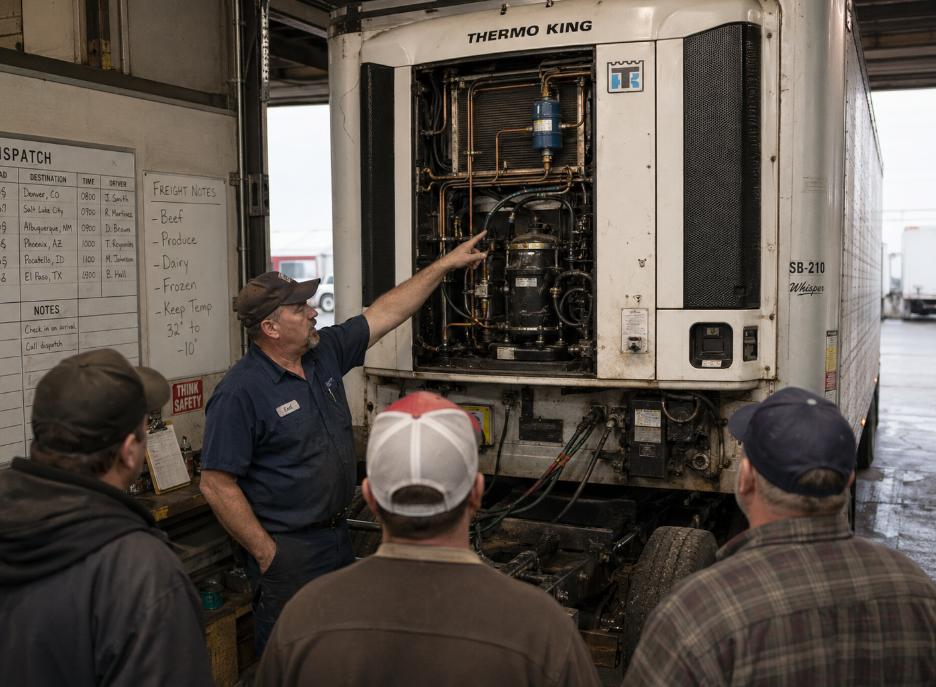
From Compressor Unit Jargon to Popular Industry Slang
Within early trucking yards, language followed machinery:
Core mechanical reference
Compressor unit powered the cooling cycle.
Refrigeration system set apart a reefer truck from a dry van.
Shop-floor shorthand
Long jargon became quick slang.
“Refrigeration unit trailer” shrank into “reefer.”
Industry adoption
Trucking crews repeated the word daily.
The industry term stuck through common nomenclature habits.
Over time, dispatchers logged loads as reefer freight. Dealers listed every refrigerated truck as a reefer unit. The etymology traces straight back to the hardware bolted behind the cab.
How Evolving Refrigerant Types Shaped the Term ‘Reefer’
As systems advanced, so did the meaning behind the word. Early refrigerant choices like CFCs gave way to HFCs, natural options such as ammonia, and newer low-impact cooling agent blends. Each shift in chemical compounds changed refrigeration technology design inside the modern reefer truck.
Environmental rules tightened.
System efficiency improved.
Public focus on environmental impact grew louder.
The International Energy Agency noted in its 2025 cooling outlook that transport refrigeration efficiency standards are accelerating globally, pushing fleets toward cleaner technologies.
So when someone mentions a reefer trailer today, it signals advanced cooling science, not just a cold box. Platforms like Reefertruckpro track these upgrades, helping buyers compare specs across every reefer truck model on the road.
Thermostatic Expansion Valve Adoption and Naming Trends
The arrival of the thermostatic expansion valve refined the refrigeration cycle inside each cooling truck.
Refrigerant leaves the condenser under high pressure.
The valve meters flow into the evaporator.
Temperature control stabilizes cargo space.
Industry effects followed:
Technical alignment
Shared component standards across HVAC builders.
Market language
Unified naming convention in fleet catalogs.
Clear specs for any reefer truck listing.
Manufacturers, drivers, and buyers now speak the same mechanical language. Reefertruckpro keeps that language practical, turning complex HVAC talk into clear guidance for anyone shopping a serious reefer truck.
Reefer Truck Classification Explained
A reefer truck isn’t just a cold box on wheels. It’s a rolling climate system built for food, pharma, and anything that hates heat. Understanding how a reefer, truck platform, and refrigeration setup come together makes picking the right refrigerated truck a whole lot easier.
Trailer Body Construction
In a reefer truck, the trailer body keeps the cold in and the heat out. That job falls on layered construction:
Structural shell
Walls formed with corrosion-resistant Materials like aluminum skins
Reinforced Roof panels to block solar gain
Sealed Doors with tight gaskets to prevent air leaks
Thermal barrier system
High-density Insulation packed between panels
Seam-sealed joints to stop moisture intrusion
Thermal break design reducing cold bridge transfer
Interior durability
Stainless Lining for hygiene compliance
Heavy-duty Floor rated for pallet jacks and forklifts
Drain channels to manage washdowns
A solid reefer truck body means fewer temperature swings and lower fuel burn from the refrigeration unit.
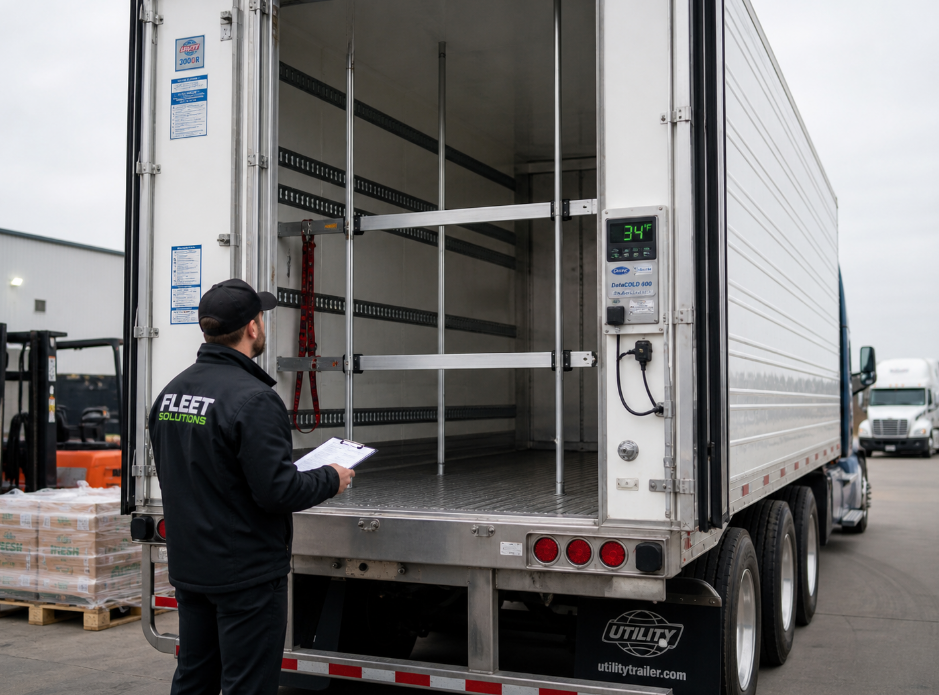
Chassis & Drivetrain Specifications
The truck under the box matters just as much. A reefer truck rides on a chassis built for weight and distance:
Power system
Diesel Engine output matched to payload class
Automated or manual Transmission tuned for highway torque
Load support
Tandem Axles distributing cargo weight
Air Suspension reducing cargo shock
Reinforced Frame for long-haul stress
Control & safety
Air Brakes with ABS integration
Optimized Wheelbase for urban or regional routes
A refrigerated truck hauling frozen goods needs balanced horsepower and stable handling. No shortcuts here.
Temperature Management Features
The heart of a reefer truck is cooling control:
Core components
Diesel-powered Refrigeration unit
Smart Thermostat for tight setpoints
High-efficiency Evaporator and Condenser coils
Air distribution
Directed Airflow channels along trailer ceiling
Multi Temperature zones using movable bulkheads
Oversight tech
Digital Monitoring system with remote alerts
Data logging for compliance audits
When a reefer truck maintains ±1°C stability, product loss drops fast. That’s real money saved.
Cargo Handling & Securement
Cold freight still needs to stay put inside the reefer truck:
Securement hardware
Adjustable Load bars
Heavy-duty Straps and Tie-downs
Locking Bulkheads for split loads
Floor interface
Anti-slip Floor tracks
Reinforced deck for stacked Pallets
Loading efficiency
Dock-friendly rear access
Portable Loading ramps for ground drops
A well-equipped reefer truck, or refrigerated truck, keeps cargo steady from pickup to delivery. Cold chain trucking isn’t flashy—but when the reefer and truck systems work together, it runs smooth and drama-free.
3 Reasons Fleet Managers Love Reefers
Rapid Temperature Pull-Down Ensures Product Freshness
Fleet managers lean on a reefer truck because temperature control starts the moment cargo doors close. A modern refrigeration setup works fast, and that speed matters.
Cooling Performance
High-output compressors stabilize the cooling system quickly.
Advanced evaporators tighten temperature control within minutes.
Smart sensors monitor setpoints during the full cold chain run.
Cargo Protection
Fresh produce and meat, as perishable goods, face less thermal shock.
Stable airflow supports freshness preservation across pallet rows.
Consistent internal climate protects overall product quality.
Operational Impact
Shorter pull-down time reduces dock delays.
Fewer claims tied to spoilage.
Stronger trust from shippers using refrigerated truck services.
When a reefer holds its line on temperature, managers sleep better. Simple as that.
Aerodynamic Fairings Improve Fuel Consumption Rate
Fuel is money. On a long-haul reefer truck, every gallon counts.
Vehicle Design Improvements
Roof and side fairings smooth airflow.
Trailer skirts support drag reduction.
Rounded edges limit harsh air resistance.
Efficiency Gains
Better aerodynamics raise overall fuel efficiency.
Lower drag improves fuel economy mile after mile.
Balanced weight distribution supports smart vehicle design.
Fleet-Level Benefits
Reduced fuel burn across multiple reefer trucks.
Lower emissions for refrigerated trailer operations.
Improved cost-per-mile on temperature-sensitive lanes.
It’s not flashy. It just works, and the savings stack up.
ATP Certification and HACCP Protocols for Compliance
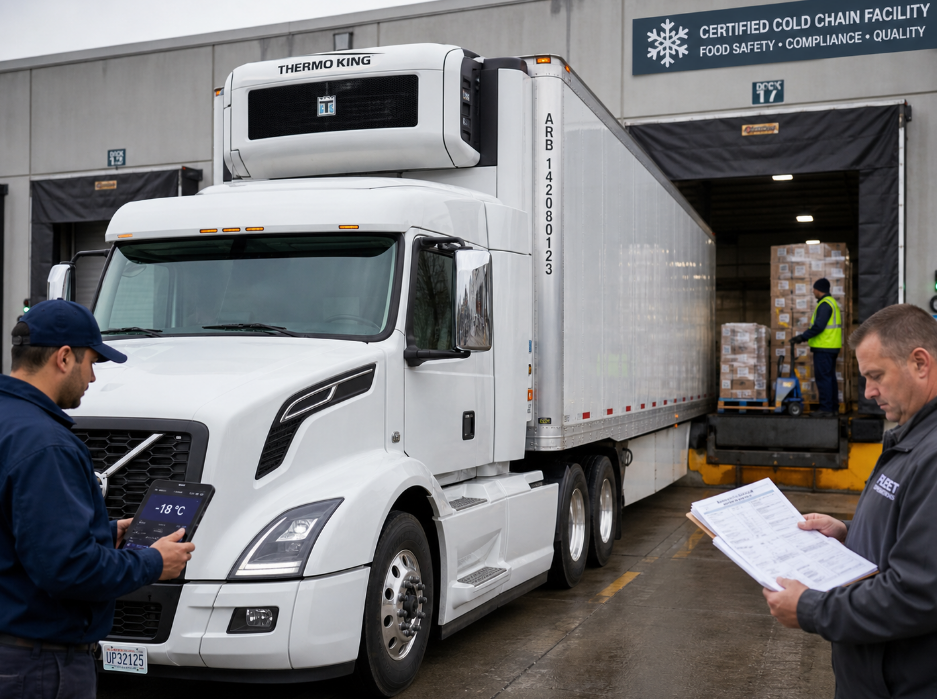
Compliance keeps a reefer truck rolling without drama.
Certification Standards
Valid ATP certification confirms insulation performance.
Documented testing supports global transport regulations.
Alignment with international quality standards.
Food Safety Controls
Verified HACCP protocols guide hazard monitoring.
Clear logs protect food safety during transit.
Strong adherence to national health regulations.
Regulatory Assurance
Meets evolving regulatory compliance requirements.
Supports audits for refrigerated truck fleets.
Preserves cargo integrity from dock to delivery.
When paperwork, hardware, and process line up, a reefer operation runs clean. And in cold transport, clean means profitable.
FAQ
What makes a reefer truck reliable for long-haul cold chain transport?
A reefer truck earns trust through its body and temperature stability working as one system.
Trailer Body Protection: Aluminum exterior skin resists corrosion on coastal and highway routes. Polyurethane foam insulation inside insulated wall panels limits thermal transfer. Stainless steel interior lining supports fast wash-down under HACCP food safety protocols. A heavy-duty floor with forklift reinforcement handles repeated pallet impact.
Temperature Defense: Multi-zone temperature control keeps frozen and chilled goods apart, while precise setpoint accuracy protects sensitive cargo under ATP certification standards.
Reliability is not a single feature—it is the quiet discipline of construction, insulation, and controlled cold.
How does the refrigeration system maintain precise temperature control?
At the core stands the compressor unit, driving refrigerant type through a closed loop.
The evaporator coil absorbs interior heat, while the condenser fan releases it outside.
A thermostatic expansion valve meters refrigerant flow for stability, and during long routes, an automatic defrost cycle prevents ice buildup.
An auxiliary power unit keeps cooling active during overnight stops.
Add remote temperature monitoring and a temperature data logger, and drivers gain real-time confidence instead of guesswork.
Why do fleet managers invest in advanced chassis and efficiency features?
Behind every specification is a fleet manager guarding margins and delivery promises.
| Area | Key Elements | Operational Impact |
|---|---|---|
| Powertrain | Engine horsepower, transmission configuration | Supports compressor load under full payload capacity rating |
| Stability | Axle load capacity, air suspension system, ABS | Meets Department of Transportation (DOT) regulations and improves ride control |
| Efficiency | Aerodynamic fairings, optimized fuel tank volume | Reduces fuel consumption rate and lifts vehicle uptime percentage |
| Compliance | Emission control systems, vehicle safety inspection | Keeps fleets aligned with noise pollution limits |
How is cargo secured safely inside a reefer truck?
Cold air alone does not protect cargo—discipline does.
E-track cargo system paired with load securement straps reduces pallet shift.
A movable bulkhead separates temperature zones and supports humidity regulation.
Pallet stops and rear swing doors limit movement during braking.
Interior cargo lighting improves visibility during night loading.
Security locking mechanisms support load securement regulations and HACCP compliance.
Before departure, a pre-trip inspection mode checks systems, because one loose pallet or missed reading can undo an entire journey.