Cold-chain profits aren’t magic—spec smart, protect uptime, stay compliant. Master freezer truck cost and buy fleets that don’t melt margins.
Yes, a refrigerated box truck can make real money—but only if you respect freezer truck cost from day one. Profit lives or dies on efficiency, uptime, and compliance. Cut corners and your margins melt fast like cheap ice.
The play is simple: spec smart equipment, guard against downtime, and chase high-value cold loads that demand precision. Do that, and the truck pays you back. Plain and simple.
Data Proves: Refrigerated Box Trucks Yield 20% Higher Margins
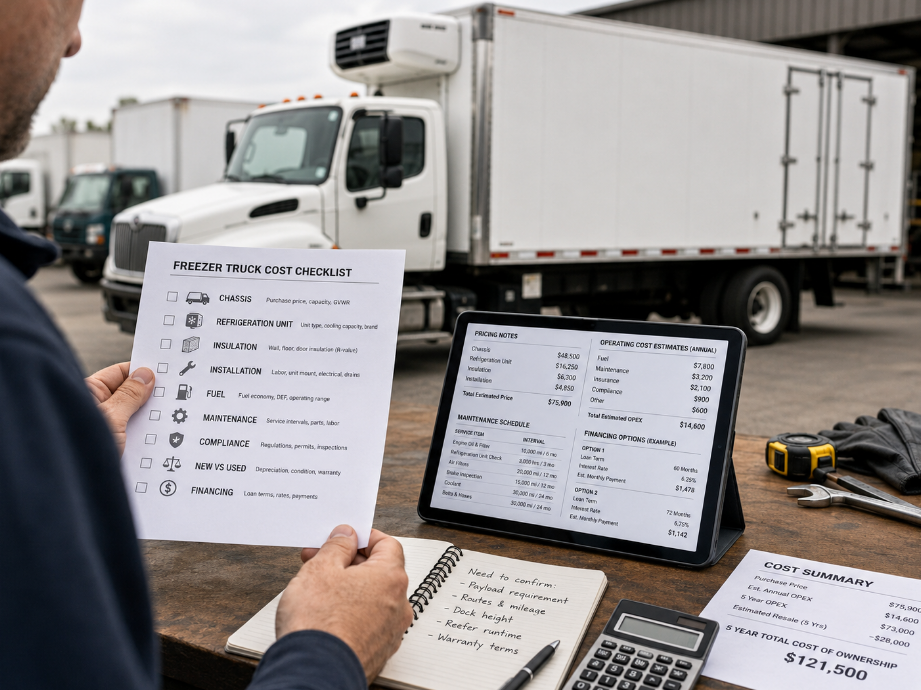
Running a cold chain fleet isn’t just about keeping goods frozen; it’s about managing every line of freezer truck cost. Break down freezer + truck + cost, and you’ll see it covers equipment price, fuel burn, repair bills, and downtime hits. Smart control of freezer truck cost is what separates average fleets from high-margin operators.
How Compressor Unit Efficiency Drives Profitability
When talking freezer truck cost, the compressor is the heart of the story.
Efficiency → Lower energy consumption → Higher profitability
Compressor efficiency improves refrigeration performance.
Faster pull-down time and stable temperature control reduce waste.
Higher cooling output per liter of fuel lowers operating costs.
Reduced energy consumption during steady loads improves profitability.
Direct freezer truck cost impact
Fuel savings reduce total freezer truck cost per mile.
Fewer runtime hours extend component life.
Improved performance lowers spoilage claims.
Operating comparison
| Metric | Standard Unit | High-Efficiency Unit | Annual Impact on Freezer Truck Cost |
|---|---|---|---|
| Fuel Use (L/hr) | 3.8 | 3.1 | ↓ 18% fuel expense |
| Avg Runtime (hrs/day) | 10 | 8.5 | ↓ wear & tear |
| Temp Variance (°C) | ±2.0 | ±0.8 | ↓ cargo claims |
| Annual Operating Costs ($) | 12,500 | 9,900 | ↓ $2,600 |
Lower freezer truck cost isn’t luck. It’s math. Reefertruckpro units focus on refrigeration tuning that cuts waste without hurting output, making the truck freezer cost easier to control month after month.

Impact of Transmission System Reliability on Maintenance Costs
Freezer truck cost doesn’t stop at cooling gear. The transmission system plays a quiet but huge role.
Reliability chain reaction
A stable transmission system delivers smooth torque and reduced vibration.
That steadiness protects key components such as the driveshaft, axles, and suspension.
Lower maintenance frequency and fewer major repair events follow.
Downtime math
One roadside failure can mean towing fees, missed delivery penalties, and spoiled goods.
That single event spikes operational costs and total freezer truck cost fast.
Longevity advantage
High reliability extends drivetrain life.
Predictable service intervals reduce downtime.
Controlled operational costs improve yearly budgeting.
In simple terms, steady driveline performance protects margins. When Reefertruckpro specs trucks with proven durability, freezer truck cost becomes more predictable, and truck freezer cost over five years drops sharply.
Role of Thermal Adhesive in Reducing Energy Bills
Small detail, big savings. Thermal adhesive might look minor, but it fights heat loss every single mile.
Strong sealing at insulation joints
Better temperature control inside the box
Reduced compressor cycling
Improved energy efficiency
Step by step, here’s how it cuts freezer truck cost:
Tight insulation limits air leakage.
Less warm air intrusion lowers cooling demand.
Reduced cycling trims fuel use.
Lower fuel use shrinks energy bills.
Over time, that steady drop in freezer truck cost adds up. Strong insulation also protects the cold chain, keeping products stable and cutting hidden truck freezer cost tied to rejected loads.
Bottom line? Freezer truck cost is shaped by hardware details most buyers ignore. With Reefertruckpro focusing on cooling efficiency, drivetrain durability, and insulation integrity, fleets gain tighter control over freezer truck cost and see real margin growth—not just on paper, but in everyday operations.
3 Factors Affecting Freezer Truck Cost Estimates
Freezer truck cost estimates can swing a lot, even when two builds look “basically the same.” Here’s the real stuff behind the numbers—how the metal work, the insulation, and the cooling hardware quietly stack up into your freezer truck cost.
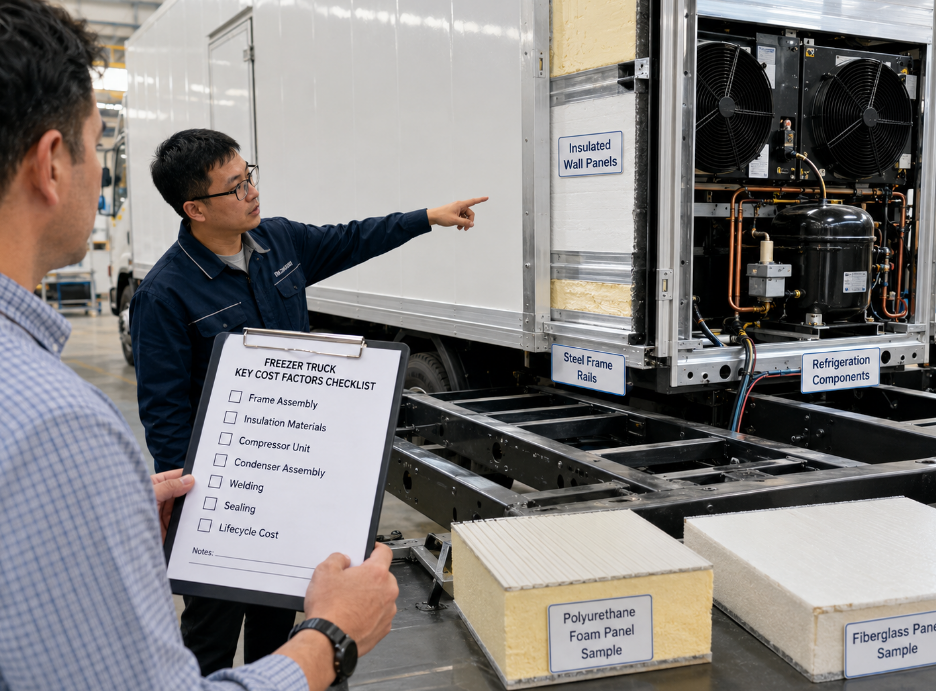
Frame Assembly Quality and Its Price Tag
When your freezer truck cost gets quoted, the chassis is usually where the “why is it higher?” talk starts, because materials and construction choices show up in weight and long-term repairs.
Core build decisions tied to structural integrity
Steel grade and section thickness influence strength, weight, and price.
Crossmember layout in the design affects body support and long-term alignment.
More support points can lower cracking risk, but they also add mass and labor.
Higher-grade materials add cost, but cut flex and help doors stay square.
Fabrication choices that change the price
Welding method and skill level affect finish quality and rework risk.
Corrosion protection for durability costs more now, yet keeps rust from eating the frame later.
Cleaner welds reduce rework, which can steady freezer truck cost over time.
What buyers feel day-to-day
Payload trade-offs linked to chassis weight.
Fewer body squeaks and less downtime from weak construction.
Insulation Materials: Polyurethane Foam vs. Fiberglass Panels
Insulation looks boring on paper, but it can make freezer truck cost feel “cheap today, expensive tomorrow.” The thermal barrier you pick decides how hard the unit works.
Quick pros/cons people actually notice
Polyurethane foam: higher R-value, better rigidity, and cleaner paneling bonds.
Fiberglass panels: lower buy-in, but moisture can creep in without serious moisture resistance.
A simple, numbers-only look at typical trade-offs:
| Material option | Approx. R-value per inch | Water absorption tendency | Relative installed cost (1=low, 5=high) |
|---|---|---|---|
| Polyurethane foam | 6.0–7.0 | Low | 4 |
| Fiberglass panels | 3.0–4.0 | Medium–High | 2 |
| Fiberglass + upgraded vapor barrier | 3.0–4.0 | Medium | 3 |
Short version: if installation is sloppy, even great density specs won’t save your freezer truck cost on electric/fuel later.
Freezer truck cost, truck cost, and freezer cost all end up tied to how often your cooling system has to “catch up.”
Refrigeration Unit Components: Compressor Unit vs. Condenser Assembly
This is where freezer truck cost jumps fast, because small upgrades in the cooling system can change reliability in real-world routes.
Component choices that drive pricing
Compressor quality and condenser layout change both upfront cost and field reliability.
Coil spacing, fan sizing, and motor efficiency shape heat dump and power draw.
Better parts support faster pull-down, steadier temperature control, and fewer “won’t start” mornings.
How parts interact in the field
Heat rejection chain: refrigerant moves heat to the condenser coils.
Airflow and cleanliness matter because poor heat exchange means higher head pressure and extra wear.
Fan setup affects fouling; clogged fins can make the evaporator struggle.
What that means for your estimate
Spec price + warranty risk are baked into freezer truck cost.
Lifecycle cost shows up as fuel burn, service calls, and how often parts get swapped.
If you’re comparing freezer truck cost estimates, ask what’s inside the box—not just the sticker price.
New vs. Used Freezer Trucks
Buying cold-chain equipment isn’t just about wheels and a box. It’s about understanding freezer, truck, and cost as three moving parts that shape your real freezer truck cost over time.
New Freezer Trucks
When calculating freezer truck cost for a brand-new unit, the logic usually follows a layered evaluation.
Vehicle Base Platform
1.1 Chassis & Powertrain: meets latest Emissions standards, offers higher fuel Efficiency ratings, and includes factory-backed Warranty coverage.
1.2 Body & Insulation: advanced polyurethane injection supports tighter thermal control and lower temperature fluctuation, reducing long-term freezer truck cost.
Refrigeration System & Control
2.1 Smart Technology: digital logging for compliance and remote diagnostics to reduce surprise Maintenance.
2.2 Operational Savings: stable compressor cycles and reduced breakdown frequency.
| Cost Factor | New Truck (USD) | 5-Year Maintenance (USD) | Downtime Risk (%) |
|---|---|---|---|
| Light-duty | 65,000–85,000 | 8,000–12,000 | 5–8% |
| Medium-duty | 85,000–120,000 | 12,000–18,000 | 4–7% |
| Heavy-duty | 120,000–160,000 | 18,000–25,000 | 3–6% |
Financial Planning
3.1 Financing options reduce upfront freezer truck cost.
3.2 Predictable service intervals improve budget control.
3.3 High Customization value supports brand growth.
For operators focused on stable cold-chain contracts, the higher freezer truck cost up front often balances out. That’s why many fleets working with Reefertruckpro prefer new builds for long-haul food logistics.
Used Freezer Trucks
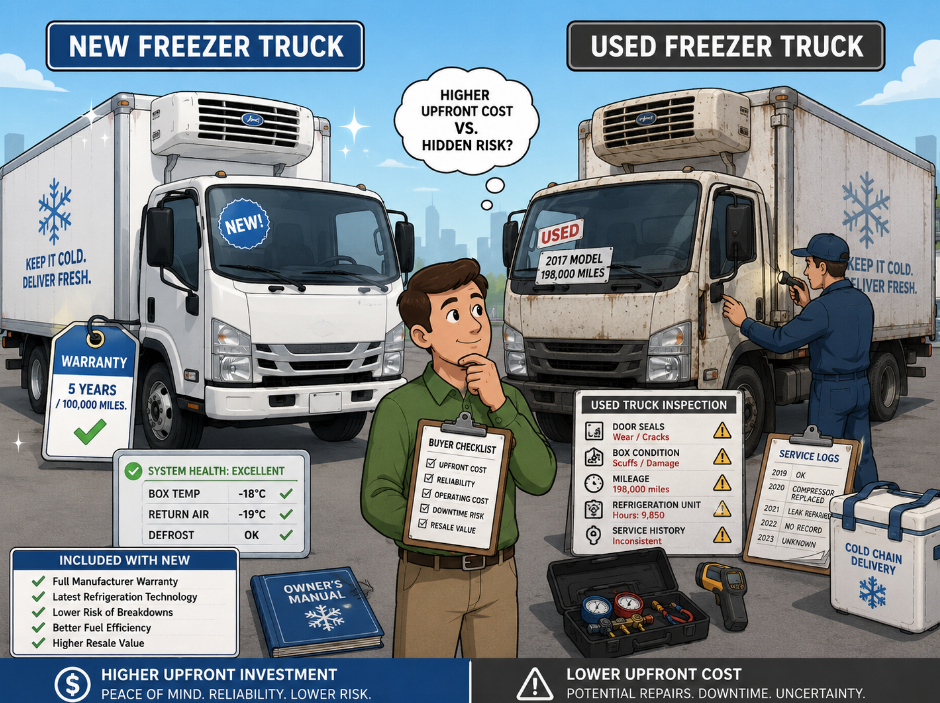
Used units shift the freezer truck cost conversation toward inspection and risk.
Key checkpoints include:
Inspection of frame and suspension
Verified refrigeration History
Odometer Mileage accuracy
Documented Repairs
Condition Review
Check panel insulation density. Weak foam increases freezer truck cost later through fuel burn.
Look at door seals. Small cracks, big cooling bills.
Mechanical Evaluation
Transmission wear matters. High mileage without proper Refurbishment records can quietly inflate your truck cost.
Paperwork & Certification
ATP validity.
Service logs.
Ownership Availability records.
A used freezer truck cost may look friendly on paper—sometimes 30–50% lower than new. Still, hidden compressor wear or electrical faults can flip that math fast.
Some buyers mix strategies: start used, reinvest savings into phased upgrades. Others negotiate extended warranties even on pre-owned units. Fleets sourcing through Reefertruckpro often request third-party inspection reports to lock down true refrigerated truck cost before signing.
Struggling With High Freezer Truck Cost? Learn Savings
Freezer truck cost can feel like it’s always creeping up—parts, labor, downtime, you name it. This cluster breaks down three places where real money leaks out, and how to plug them without fancy talk. You’ll see how supplier deals, smarter builds, and steady upkeep shave freezer truck cost, freezer cost, and truck cost in ways that stick.
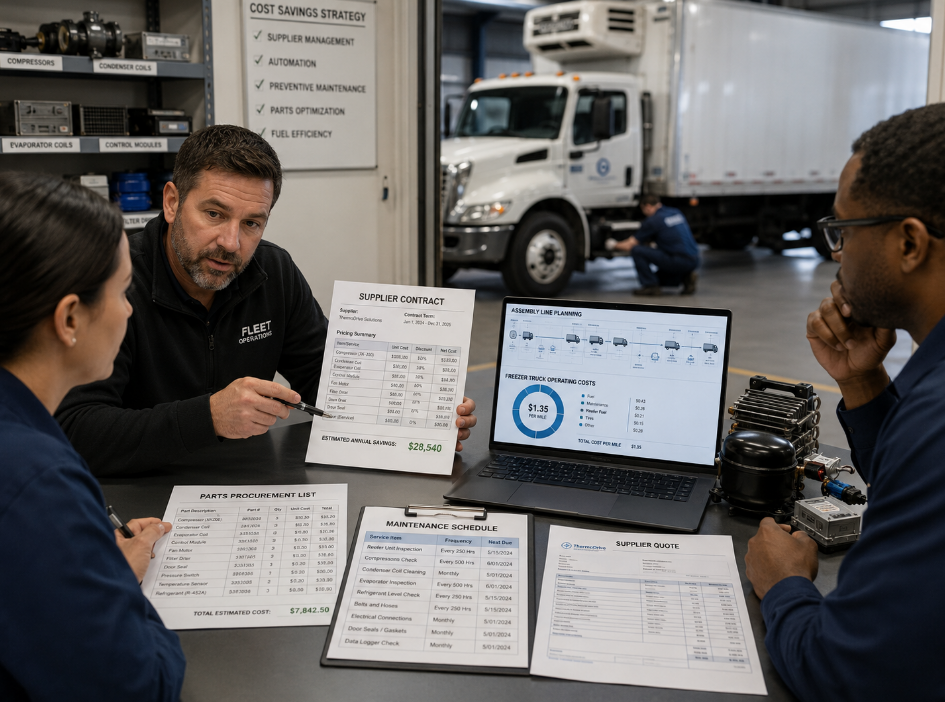
Optimize Supplier Relationship for Cheaper Component Procurement
The fastest freezer truck cost win usually starts upstream, with supplier habits that don’t waste your time or cash.
Relationship basics that pay back
Negotiation prep should include inbound freight terms, lead times, and penalties for missed windows.
Contracts that stop surprise add-ons should include a clean change-order rule so “small tweaks” don’t balloon your procurement total.
Track price drift on key components such as compressor units and axles quarterly, not “when it hurts.”
Bring freight variability to the table as a cost line, not a complaint.
Sourcing that unlocks volume without overbuying
SKU discipline matters: standardize compressor unit and axle configuration SKUs so your procurement team isn’t splitting spend across near-duplicates.
Bundle buys across model years when the spec is stable; it cuts truck cost quietly.
Where Reefertruckpro can help
A simple sourcing map shows what’s standard vs custom, so your supplier meetings stay focused on price, availability, and repeatable specs—stuff that moves freezer truck cost, not talk.
Leverage Assembly Line Automation to Cut Manufacturing Overhead
If freezer truck cost is getting loud, look at the factory minutes hiding in plain sight. Assembly line automation doesn’t have to mean a sci-fi rebuild; it can start with repeatable stations that squeeze out delays, touch-ups, and mismatched timing.
Target the messiest repeat work in manufacturing
Panel lamination: automate feed rate and pressure so panels stop coming out “almost flat.”
Paint application: consistent thickness means fewer sand-and-respray loops, which is pure overhead.
Use small robotics upgrades to stabilize production pace
Add simple sensors to catch misalignment early, before it becomes rework.
Standardize fixture points so training time drops and efficiency goes up.
Quick reality check table (example ranges vary by plant):
| Upgrade area | Labor hours saved (per unit) | Rework rate change (%) |
|---|---|---|
| Automated lamination station | 3.0 | -30 |
| Automated paint application | 2.0 | -25 |
| In-line dimensional check | 1.5 | -20 |
Mixing these moves tends to cut freezer cost and truck cost together, because you’re shrinking both labor and mistakes. Reefertruckpro can also point buyers toward builds that favor repeatable assembly line methods, which keeps freezer truck cost steadier over the long run.
Schedule Regular Maintenance for Suspension System Longevity
Skipping checks on a vehicle to “save money” is how freezer truck cost comes back meaner. A tight maintenance schedule keeps the suspension system from chewing tires, stressing axles, and piling on downtime.
What to watch and why it matters
Braking mechanism wear: heat and vibration travel; ignore it and you’ll stack failures.
Axle stress signs: listen for clunks, watch for uneven ride height, and log it.
Bushings: cracks and play turn into sloppy load transfer, then uneven tire wear.
Alignment: small drift becomes big rolling resistance, and your truck cost climbs at the pump.
Inspection rhythm and wear points should be tracked before they trigger pricey days.
How to keep it simple without missing stuff
Weekly walk-around, monthly detailed inspection, and a quarterly undercarriage check.
When something’s off, do the repairs early; waiting usually multiplies freezer truck cost through downtime and tire loss.
That’s the boring routine that buys longevity—and keeps freezer truck cost from spiking when you least need it.
Pharma Runs: Temperature Compliance Essentials
Pharma loads don’t forgive sloppy temp control, and neither do inspectors. This run-through keeps cold chain habits tight, ties compliance back to paperwork, and flags where freezer truck cost can sneak up on you. With Reefertruckpro in your corner, you can plan truck cost and still keep temps steady.
Meeting Food Transport Guidelines with Accurate Temperature Controllers
Keeping food safety clean starts with temperature monitoring you can prove, not just “looks cold enough.” If freezer truck cost is on your mind, don’t cheap out on the one thing auditors actually check: controller accuracy.
Transport regulations
Setup rules must match compliance standards and day-to-day control inside the cold chain.
Setpoint locks stop “helpful” hands from nudging temps during loading delays.
Alarms should be loud, simple, and tied to data logging so you can show a clean trail.
Temperature monitoring
Calibrate probes at install and on a schedule; log it, sign it, file it.
Use dual probes so perishable goods aren’t riding on one sensor’s mood.
Export logs per stop; attach them to delivery docs before anyone asks.
Watch door-open spikes; that’s where freezer truck cost turns into spoiled freight cost.
Keep proof on demand.
Reefertruckpro setups usually pair controller logs with quick-read dashboards, so dispatch isn’t guessing from a vague text update.
ATP Certification Requirements for Refrigerant Lines and Defrost Heaters
ATP paperwork gets picky, fast, and it’s tied straight to ATP certification rules plus real-world equipment standards. Skip maintenance protocols, and the “savings” can swell freezer truck cost into repair bills.
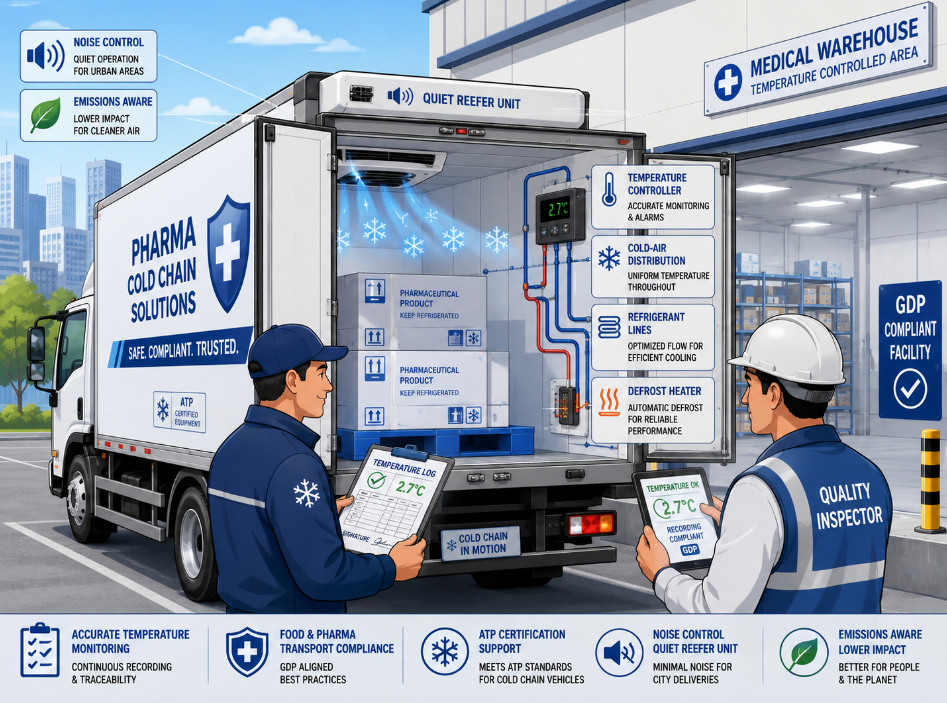
Verify refrigerant lines: pressure test, fittings tight, no oily residue, insulation intact for system integrity.
Validate defrost heaters: confirm amperage draw is in spec, defrost cycles actually clear frost, and drains don’t refreeze.
Build the trail for the certification body: service dates, leak checks, parts used, and technician sign-off.
Quick tip: if an evaporator keeps icing, you’re not just risking temps—you’re burning fuel, so overall freezer cost climbs even when the load “seems fine.”
Balancing Noise Restrictions and Emission Standards During Operation
City deliveries can feel like a trap: stay quiet, stay clean, stay on time. Pick a unit strategy that respects noise restrictions while meeting emission standards, then bake it into daily habits so regulatory adherence isn’t a last-minute scramble.
Operational compliance
Equipment choices should respect noise limits and exhaust rules without sacrificing pull-down speed.
Efficient condenser fans reduce run time, which helps both sound and exhaust emissions.
Use smart idle and tighter engine block control to cut engine noise without losing pull-down speed.
Route behavior
Park away from bedroom windows when you can; a short walk beats a citation.
Plan stops to avoid long idle queues; less idling trims fuel and freezer truck cost.
Reefertruckpro customers often treat “quiet + compliant” as a budget line item, because one ticket can cost more than a week of careful planning.
7 Unexpected Ways Refrigerated Box Trucks Can Boost Your Bottom Line
Refrigerated box trucks aren’t just about keeping stuff cold; they can change how you price work, schedule runs, and protect loads. If you’re watching freezer truck cost, the wins show up in fewer rejected deliveries, tighter logistics, and cleaner maintenance math.
Expanded Outbound Distribution Opportunities
When your distribution gear stays steady, you can chase picky markets without sweating every stop. That’s where freezer truck cost starts paying you back instead of haunting your budget.
New routes you can credibly bid
Cold pharma lanes that demand proof, not promises.
Seafood and meal-kit delivery windows that punish temp drift.
More useful weekly capacity
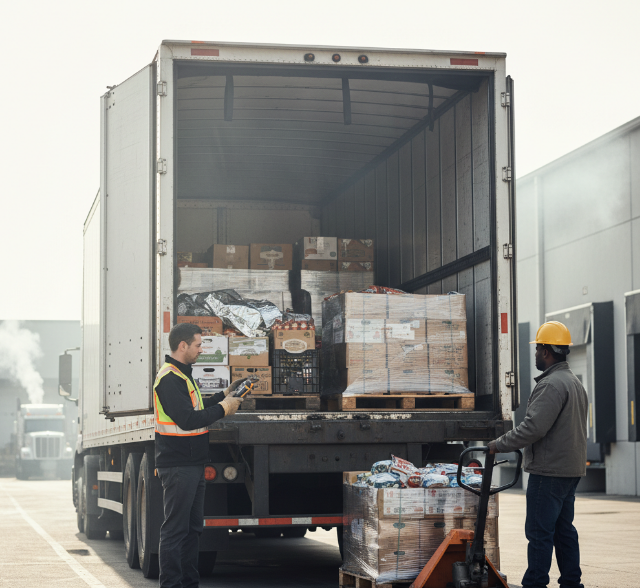
Fill backhauls inside your network instead of deadheading.
Extend reach to regional hubs where cold storage is tight.
Cleaner acceptance at the dock
Better temperature stability lowers rejection risk, which helps pricing.
Less “chargeback drama,” which trims effective freezer truck cost.
Reduced Utility Consumption via Advanced Evaporator Coil Design
This one hits the “boring but real” budget line: energy. With smarter evaporator coils design, heat transfer improves, so you can often run a slightly higher setpoint and still protect product. That means less power, less icing, and fewer defrost cycles—plain efficiency gains that take pressure off freezer truck cost.
Better coil surface area improves refrigeration performance fast.
Smoother airflow reduces frost, so consumption drops.
Shorter compressor runtime equals steadier operating cost—and a calmer driver experience.
Faster Turnaround with Automated Quality Control Inspection
Speed isn’t only about driving faster; it’s about not getting stuck fixing preventable mistakes. Automated quality control inspection helps keep turnaround predictable, which matters when your calendar is packed and freezer truck cost is already heavy.
Catch issues early in the process
Lamination voids before they become water paths.
Refrigerant leaks before the unit ships.
Wiring faults before a “mystery no-cool” call.
Protect build efficiency
Less rework equals more line speed.
Shorter delivery lead times keep your fleet plan from wobbling.
Keep automation focused on repeatable checks
Humans still do judgment calls; machines handle the grind.
Lower Downtime from Robust Axle Configuration
If your truck is down, your revenue is down too. A tougher axles configuration paired with the right suspension supports higher payloads with fewer failures, which tightens reliability across daily operation.
Quick ways this trims downtime
Fewer roadside events means fewer missed appointments.
Less shop time reduces overtime and parts rush fees.
A simple maintenance flow helps
Track wear items like hubs and bushings on a schedule.
Keep spares aligned to your vehicle spec.
Use the history to predict maintenance needs, not guess.
Result: steadier uptime that lowers true freezer truck cost
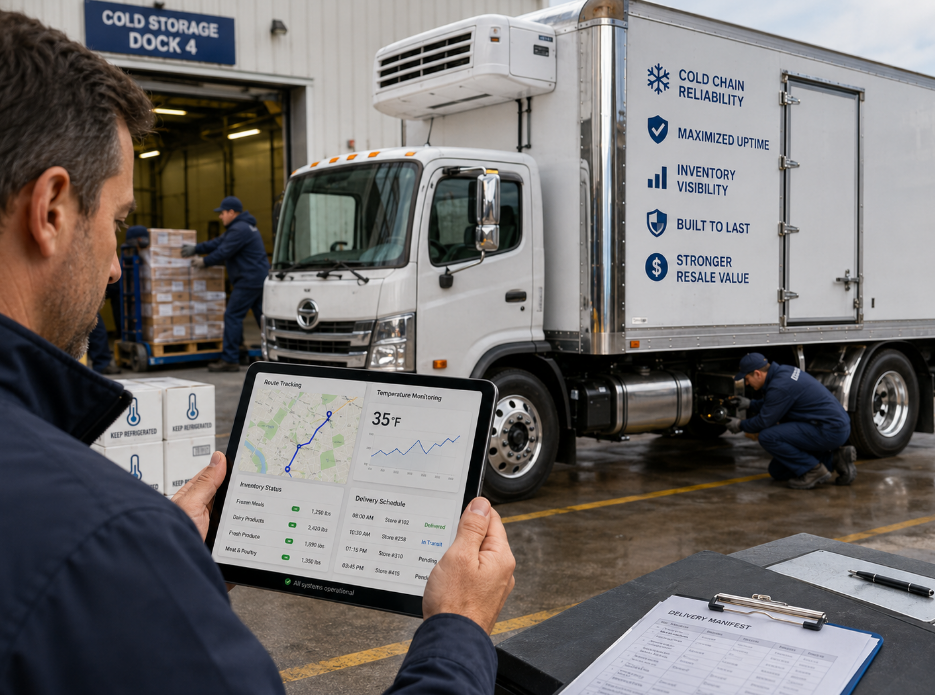
Enhanced Durability with Stainless Steel Body Panels
Looks matter, but not for vanity reasons. Stainless steel body panels improve durability because they shrug off washdowns, road salt, and careless pallets; that protects the cold box where it’s most fragile.
Why the material choice pays
Better corrosion resistance reduces rust repair cycles.
Fewer dents protect insulation edges and seals.
How it supports construction integrity
Less water intrusion lowers adhesive failure risk.
Stronger outer skin supports long-term longevity.
Bonus: premium accounts notice appearance, and that helps renewals—another quiet offset to freezer truck cost
Streamlined Inventory Management through Real-Time Temperature Monitoring
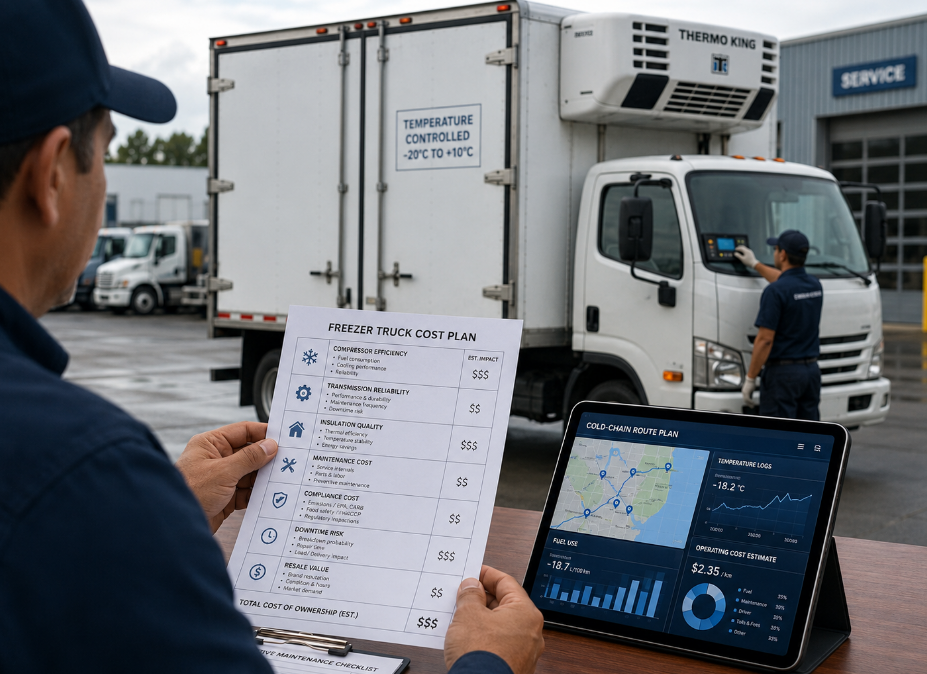
This is where “proof” becomes a tool, not paperwork. Real-time temperature monitoring and controller data make inventory management easier because you can validate chain-of-custody without arguing.
What you gain in day-to-day tracking
Alerts that stop partial-load loss before it spreads.
Clear trip logs that back up customer SLAs.
How it tightens logistics
Faster exception handling when a door gets left cracked.
Better dispatch calls based on actual trailer conditions.
Bottom line: fewer claims and cleaner audits help stabilize freezer truck cost, and the overall freezer truck price feels less painful over time.
Improved Resale Value Thanks to Composite Panel Integration
Resale is where you either get a nice surprise or a rude one. Composite panels integration can protect resale value by reducing corrosion risk and keeping insulation performance from fading out early—both big factors in depreciation.
Quick checks buyers care about
Straight walls, tight seals, and consistent temp history.
Clean service logs showing the asset wasn’t ignored.
What composites change
Lower weight can help payload flexibility.
Better rigidity helps the box stay square.
Net effect: stronger resale math can soften freezer truck cost and improve total cost of ownership—even if the upfront truck cost feels steep.
FAQ
How does compressor unit efficiency improve margins across a large fleet?
A fleet manager feels it in the gut: every extra hour of compressor unit run-time is money bleeding out in utility consumption and late-night calls.
When the temperature controller holds tighter setpoints, drivers stop “chasing the dial,” and spoilage claims fade.
Fewer starts and stops mean less strain on refrigerant lines and the evaporator coil; technicians spend less time patching leaks under pressure.
Stable temps protect outbound distribution promises—dispatch sleeps, customers stop escalating.
What should be included in a freezer truck cost estimate beyond the sticker price?
Sticker price is the handshake; real freezer truck cost is what your crew lives with after week 10.
Body & chassis risk: frame assembly durability, transmission system service history, plus axle configuration and suspension system wear patterns on your routes.
Thermal build: insulation type, including polyurethane foam, extruded polystyrene, or fiberglass panels, with a real vapor barrier and clean joint sealing using thermal adhesive.
People time: maintenance schedule labor hours, parts lead times, and the chaos cost of missed docks.
Logistics reality: inbound freight, inventory management for spares, and vendor follow-through via supplier relationship discipline.
How does transmission system reliability reduce maintenance costs in refrigerated box trucks?
A driver can feel a weak transmission system long before finance sees the invoice—harsh shifts, heat, and that creeping dread on hills.
Reliable shifts reduce shock loads across axle configuration and suspension system, helping alignment last.
Less driveline drama extends the braking mechanism and cuts roadside events that wreck schedules.
Calm uptime helps planners keep a strict maintenance schedule instead of crisis repairs that burn out the shop’s labor force skill.
Freezer truck cost: is polyurethane foam or fiberglass panels better for total cost of ownership?
Insulation isn’t a spec sheet battle; it’s the daily fight between cold air and warm, wet reality.
| Choice | What crews like | Where it bites | TCO pressure point |
|---|---|---|---|
| Polyurethane foam | High R-value, strong panel lamination | Higher upfront | Lower compressor unit run-time, fewer temp swings |
| Fiberglass panels | Lower purchase cost | Moisture risk without tight vapor barrier | Condensation raises load, more service calls |
| Sandwich panel (varies) | Fast repairs, consistent walls | Depends on sealing | Joint quality + thermal adhesive decide the bill |
When sealing fails, the condenser assembly works harder, drivers hear fans screaming, and accountants see the fuel/energy hit.
What compliance features matter for pharma or food contracts?
Compliance isn’t paperwork; it’s the moment an auditor stands at your dock and your team has to answer cleanly.
A calibrated temperature controller with logging that matches food transport guidelines.
ATP certification support: insulation performance, sound refrigerant lines, and a defrost heater that actually clears ice instead of letting it steal capacity.
Road and site constraints: emission standards, noise restrictions, weight limitations, plus basic safety regulations that keep drivers protected and contracts alive.
How can manufacturing processes lower freezer truck cost without sacrificing quality?
Cost drops when the factory floor stops fighting itself—and when pride replaces rework.
Assembly line automation speeds repeat builds, but only works when component integration is standardized and parts arrive on time through tight component procurement and raw material sourcing.
Clean welding techniques prevent cracks that haunt the frame assembly later; the best savings is the repair that never happens.
Hard-edged quality control inspection catches leaks before delivery; steady production capacity depends on disciplined tooling equipment and a sane factory footprint.
Good painting application and smart material choices—aluminum sheeting, stainless steel, galvanized steel, composite panels, fiber reinforced plastic—reduce corrosion drama and keep fleets looking trusted.