Choose wrong and profits melt fast—master the chilled vs frozen truck choice to keep cargo safe, clients happy, and bulk fleet buys smarter.
Pick wrong in the chilled vs frozen truck debate and your cargo pays the price—spoiled goods, angry clients, money slipping through your fingers overnight.
This isn’t truck trivia; it’s about matching temperature muscle, routes, and budgets so your operation stays cool, compliant, and profitable day after day.
Melodic Memo: Quick Insights on Chilled vs Frozen Truck
-> Optimize Compressor Capacity: Match your load—high-capacity units for sub-zero frozen hauls; efficient, lower-power compressors for chilled runs.
-> Insulation Matters: Choose high R-value materials (polyurethane foam or vacuum panels) to minimize thermal loss and maintain steady temperatures.
-> Precision Controls: Deploy accurate sensors and control panels for real-time logging and compliance, crucial for pharmaceuticals and perishable goods.
-> Electric Standby Benefits: Use electric power packs to cut idling, extend refrigeration uptime on long hauls, lower emissions, and integrate telematics for smarter fleet management.
Freezer Vs. Chilled Truck: Key Differences

Choosing between a chilled vs frozen truck feels simple on paper, yet real loads, routes, and costs make it tricky. This breakdown keeps it street-smart, practical, and grounded in how cargo actually behaves on the road.
Freezer Truck
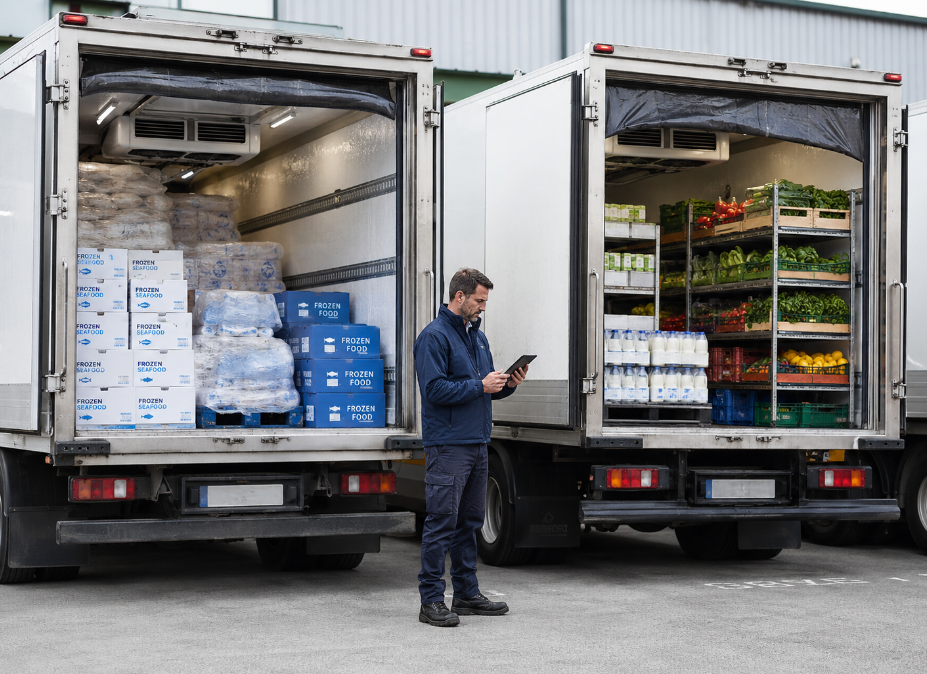
A Freezer Truck lives in the world of sub-zero temperatures and unforgiving cargo rules. When frozen goods thaw even a little, value drops fast.
Core purpose
Deep freeze transport for perishable items like meat and seafood
Built for long-distance hauling without temperature drift
System layers
Thick insulation in walls and doors
Tight seals that protect temperature stability
Powerful refrigeration using heavy-duty compressors
Fast recovery after door openings
Cooling muscle
Body design
Operational reality
Fuel burn runs higher
Maintenance leans technical
Best match when frozen truck demand never blinks
| Load Type | Target °C | Tolerance | Typical Route | Risk Level |
|---|---|---|---|---|
| Frozen beef | -18 | ±1 | Cross-country | High |
| Ice cream | -22 | ±1 | Regional | Very High |
| Seafood | -20 | ±2 | Port to hub | High |
| Prepared meals | -18 | ±2 | National | Medium |
| Frozen veggies | -18 | ±2 | Long haul | Medium |
For fleets working chilled vs frozen truck comparisons daily, Reefertruckpro often comes up for freezer builds that hold cold without drama.
Chilled Truck
A Chilled Truck sits above zero, where control matters more than brute force. Think fresh, not frozen.
Short takes that drivers swear by:
Above-freezing temperatures keep texture intact
Moderate insulation cuts fuel costs
Smart airflow protects fresh produce
Practical flow on a delivery day:
Pre-cool the box within the defined temperature range
Load dairy and greens with spacing
Manage moisture through humidity management
Run the cooling system steady, not aggressive
Quick contrasts people notice fast:
Quieter units than frozen truck setups
Faster door recovery for urban stops
Better fit for refrigerated transport in cities
When chilled vs frozen truck decisions lean toward flexibility, chilled units win last-mile work. Many operators using Reefertruckpro favor this balance for dairy routes and pharma drops. The chilled vs frozen truck debate really comes down to cargo behavior, not hype, and a chilled vs frozen truck choice made right saves money every mile.
3 Factors Defining Chilled Vs Frozen Truck Performance
Picking between a chilled vs frozen truck sounds simple until real routes, real loads, and real fuel bills step in. This breakdown keeps it practical, mixing shop-floor talk with tech detail, so fleet managers can match cold-chain needs without overthinking it.
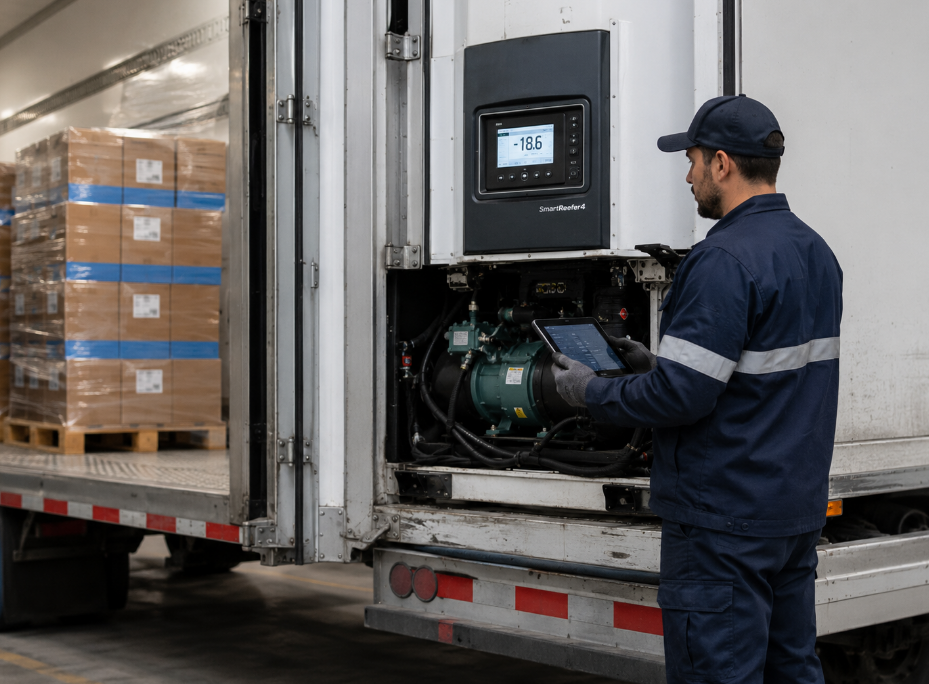
Compressor Capacity and Efficiency
Performance here shapes the daily mood of a chilled vs frozen truck. A few quick markers help set expectations:
Compressor type defines how fast pull-down happens after door opens.
Cooling capacity measured in BTU per hour sets the ceiling for sub-zero loads.
Energy efficiency ratio ties straight to diesel spend and idle time.
A tighter look often follows a numbered check:
Read power consumption at steady cruise.
Match compressor performance to route dwell time.
Track stability across the full refrigeration cycle.
Underneath, the math matters more than the badge. Reefertruckpro often highlights how balanced sizing avoids short cycling, a common issue on mixed chilled truck and frozen truck routes.
“Fuel efficiency gains in transport refrigeration now come mainly from smarter compressor load management,” notes a 2024 update from the International Council on Clean Transportation.
Insulation Thickness and R-Value
Insulation decides how hard the compressor has to work. Think in layers, not slogans.
• Insulation material like polyurethane foam still dominates, while vacuum panels push extremes.
• Panel thickness pairs with R-value to slow heat flow.
• Thermal conductivity, K-factor, and U-value explain why two boxes with equal thickness perform differently.
Below is a quick comparison often used when weighing chilled vs frozen truck builds:
| Insulation material | Panel thickness (mm) | R-value | Heat leakage (W/m²) |
|---|---|---|---|
| PU foam | 60 | 4.5 | 8.2 |
| PU foam | 80 | 6.1 | 6.0 |
| VIP hybrid | 40 | 7.8 | 4.1 |
| VIP hybrid | 60 | 10.2 | 2.9 |
| EPS | 80 | 3.9 | 9.5 |
Less heat leakage means steadier temps when a frozen truck waits at a dock.
Temperature Sensor and Control Panel Precision
Control is where theory meets habit. Precision builds in steps that stack:
Temperature sensor placement near return air, not walls.
Calibration checks that protect setpoint accuracy.
Thermostat logic tuned for tight bands.
Digital display clarity for drivers.
Data logging that supports audits.
For pharma loads, temperature monitoring isn’t optional. Reefertruckpro systems often emphasize readable control panels because mistakes usually start with bad feedback. Across any chilled vs frozen truck fleet, cleaner data means fewer late-night calls and calmer mornings.
High Fuel Costs? Electric Standby Units Help
Fuel bills keep climbing, and drivers feel it every mile. This cluster breaks down how electric standby units cut waste, protect loads, and keep a chilled vs frozen truck running smart. From docks to long roads, the mix of electric power and data tools reshapes daily decisions for fleets hauling chilled food, frozen goods, and everything between.
Reduced Idling: Electric Power Packs
At busy docks, engines don’t need to rumble nonstop. Electric power steps in through power packs and onboard battery systems, letting drivers switch engine off without stress.
idling reduction brings quick fuel savings
auxiliary power handles cooling without diesel burn
Under the hood, it plays out like this:
Plug into shore power.
Refrigeration keeps humming.
Engines rest, parts last longer.
For a chilled vs frozen truck, stable temps matter. A chilled truck holding produce and a frozen truck packed with ice cream both benefit. Reefertruckpro fleets often point out how calmer docks lead to fewer breakdown calls and smoother handoffs.

Lower Emissions and Improved Fuel Efficiency
Cutting idle time shrinks the carbon footprint while lowering fuel consumption and operational costs.
emission reduction helps urban access
energy efficiency supports green technology goals
“Idle reduction tech is now one of the fastest ways fleets meet near-term sustainability targets,” noted a 2024 update from the International Council on Clean Transportation.
For a chilled vs frozen truck, cleaner ops also mean fewer compliance headaches in low-emission zones.
Extended Refrigeration Uptime for Long Hauls
Long waits happen. Electric standby backs up diesel, protecting perishable goods through continuous cooling.
refrigeration uptime stays steady
temperature control guards cold chain integrity
Nested reality on the road:
During rest stops
Diesel rests
Electric runs
During border checks
extended operation saves the load
Chilled, frozen, truck—each leg stays safe. Reefertruckpro users hauling chilled vs frozen truck loads often see fewer spoilage claims.
Telematics Integration for Optimized Usage
Smart screens turn guesswork into action. Telematics systems feed performance data into daily choices.
real-time tracking meets fleet management needs
remote monitoring supports operational optimization
Short bursts of value show up fast: alerts, logs, planning. For chilled truck routes and frozen truck lanes alike, data analytics guide maintenance timing and energy use. Reefertruckpro ties these insights together so every chilled vs frozen truck works less hard and earns more miles.